
 (516)-692-1111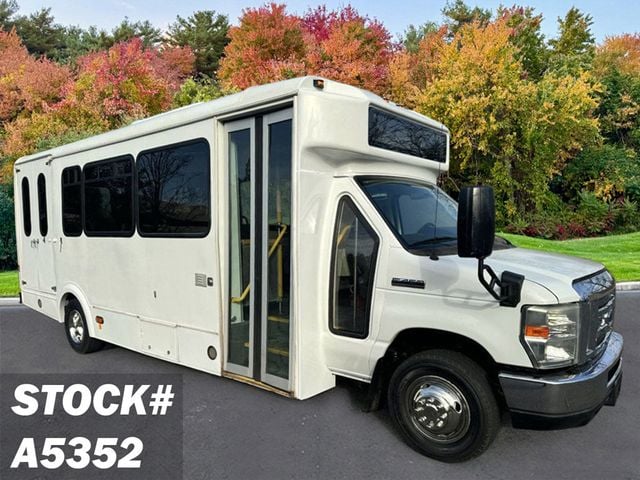
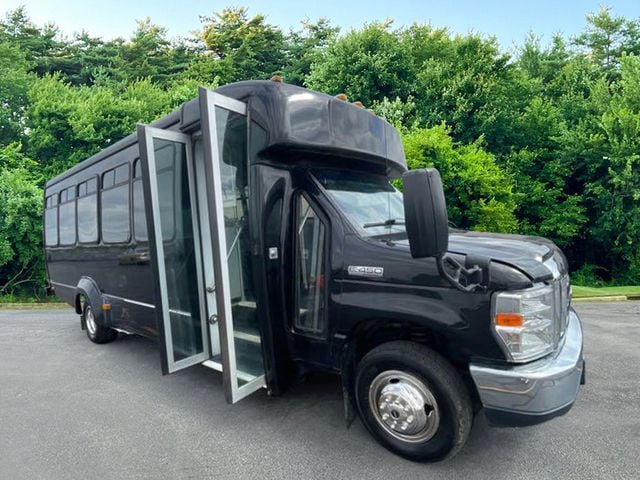
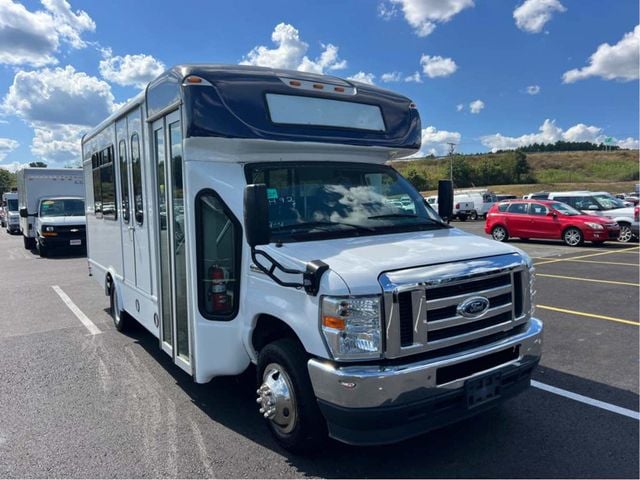
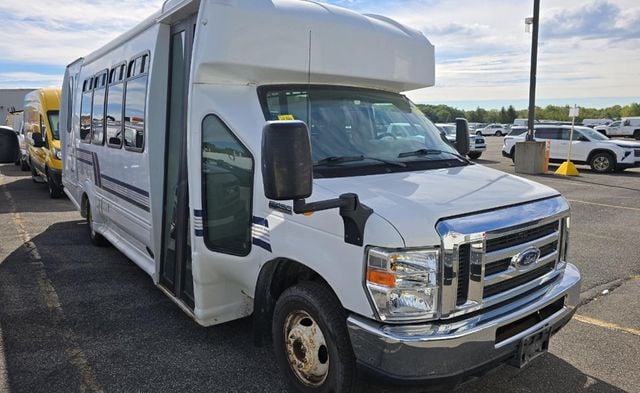
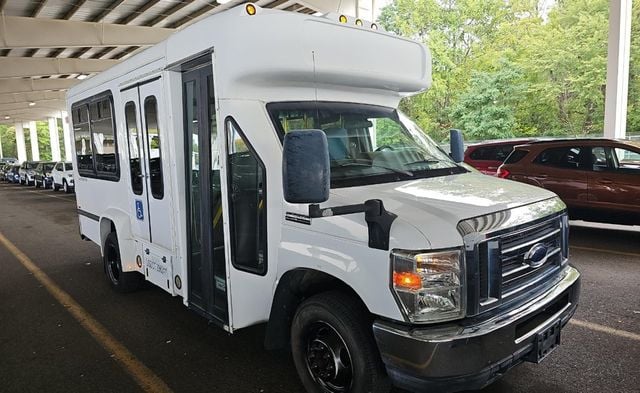
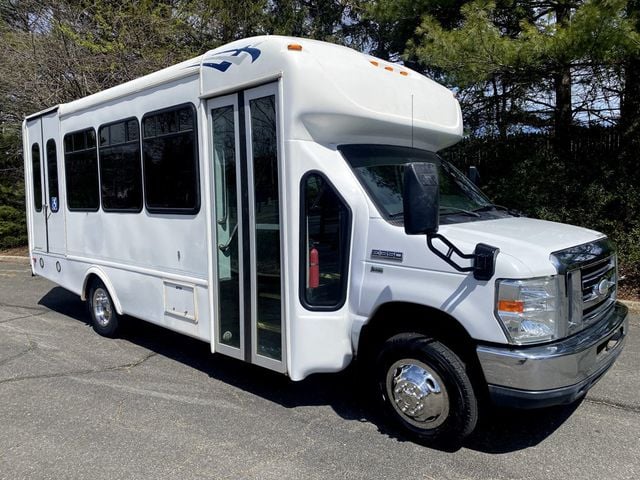
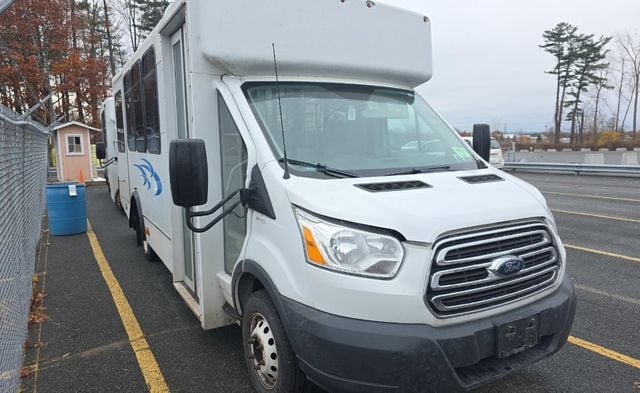
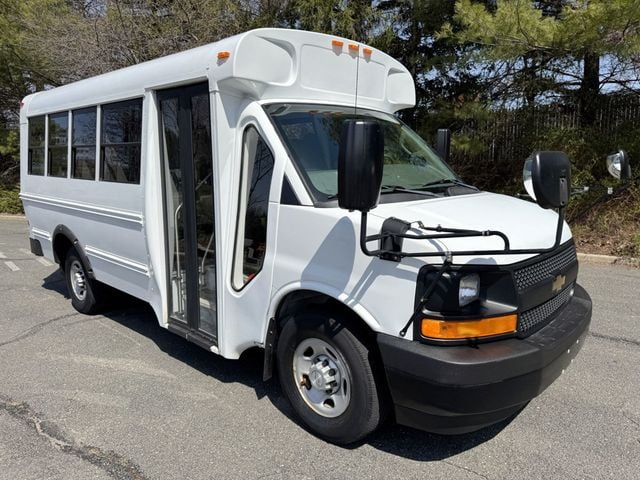
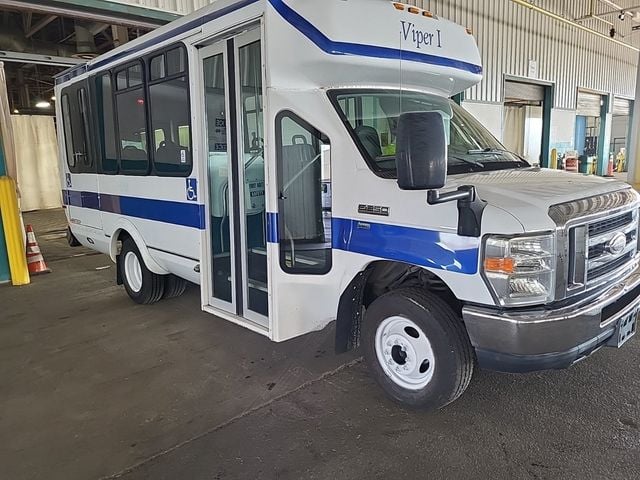
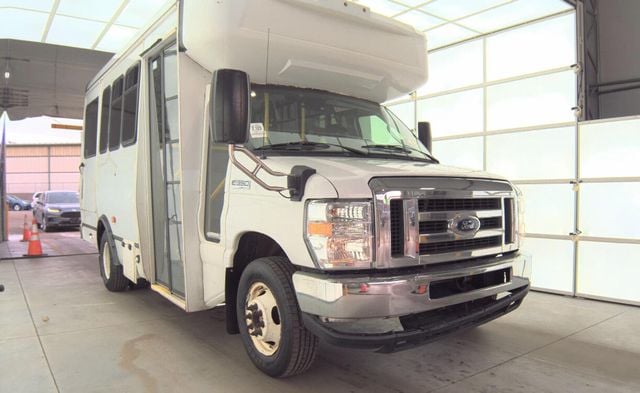
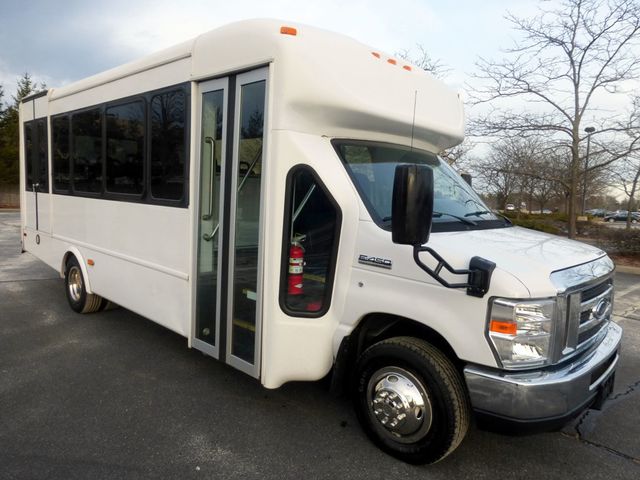
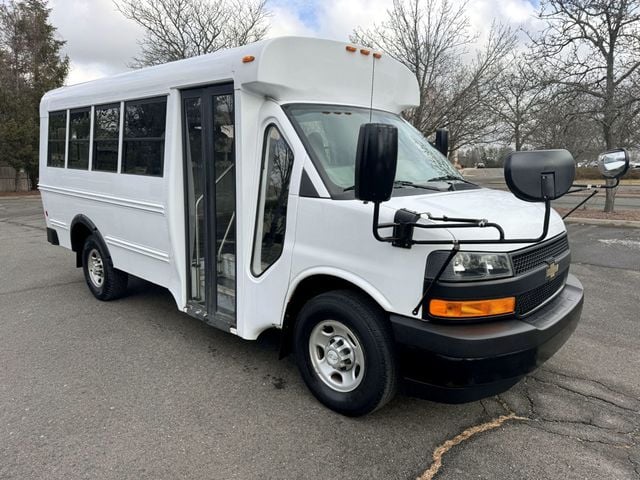
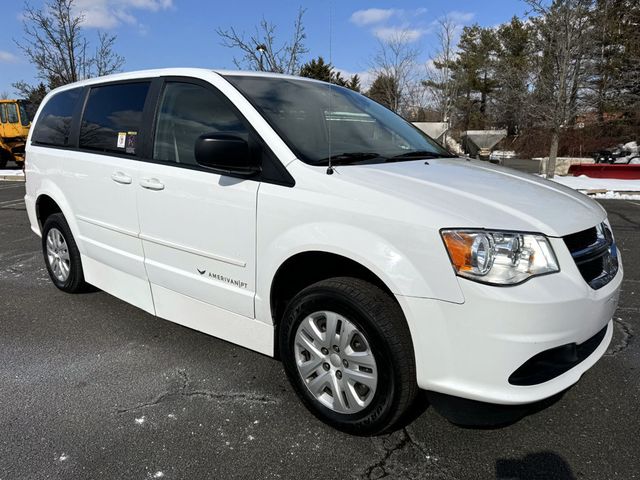
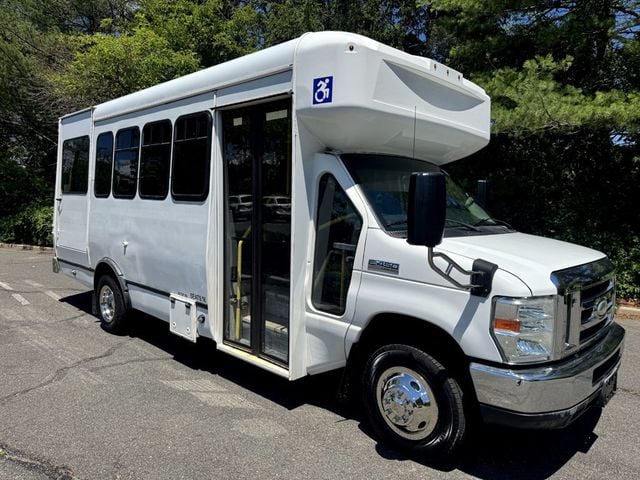
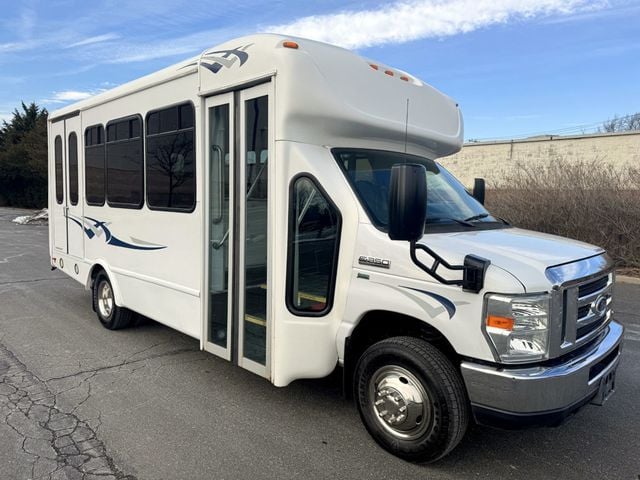
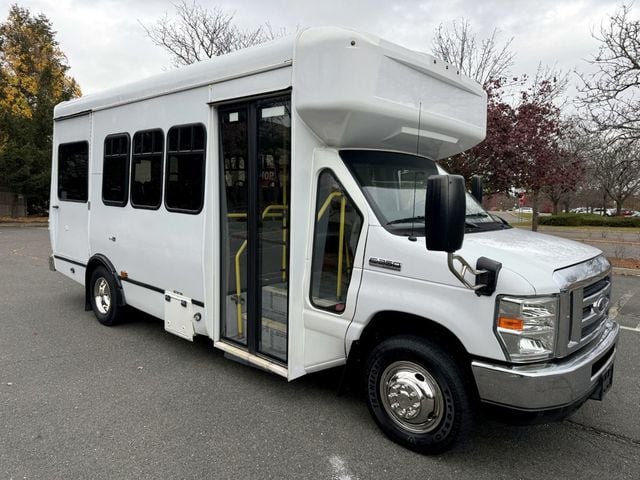
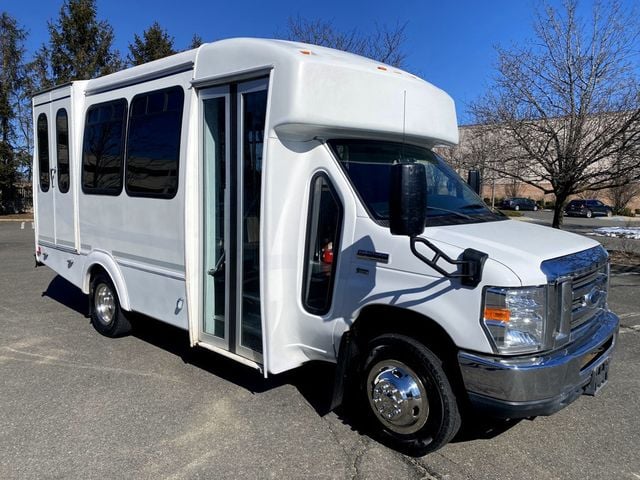
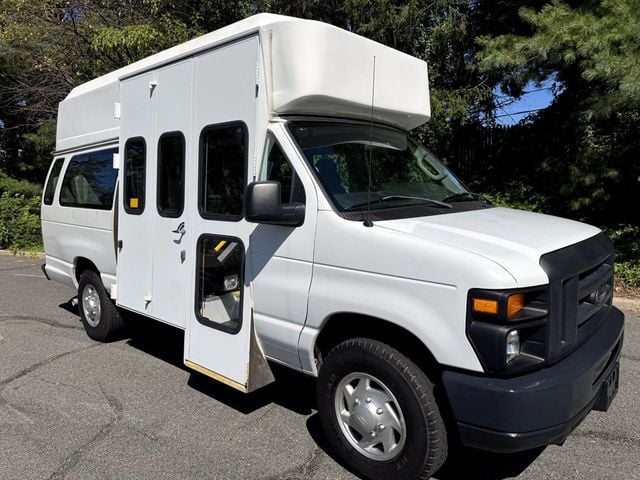

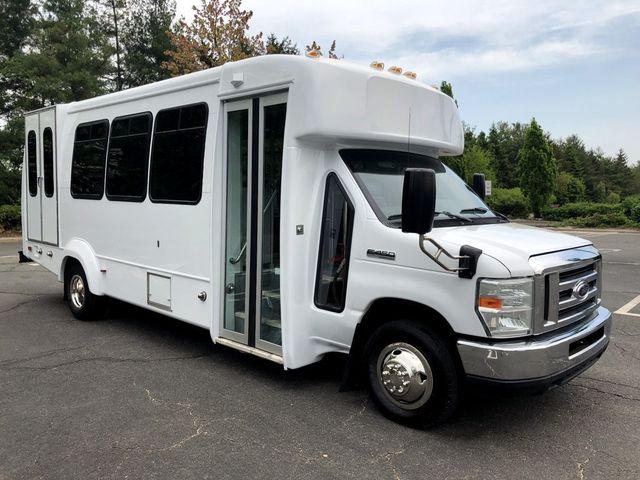
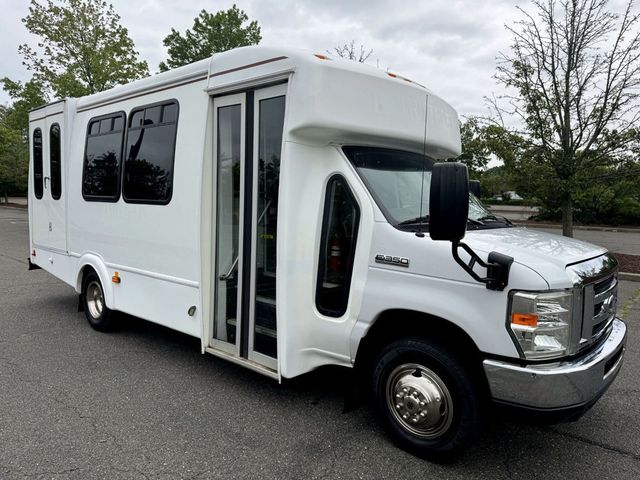
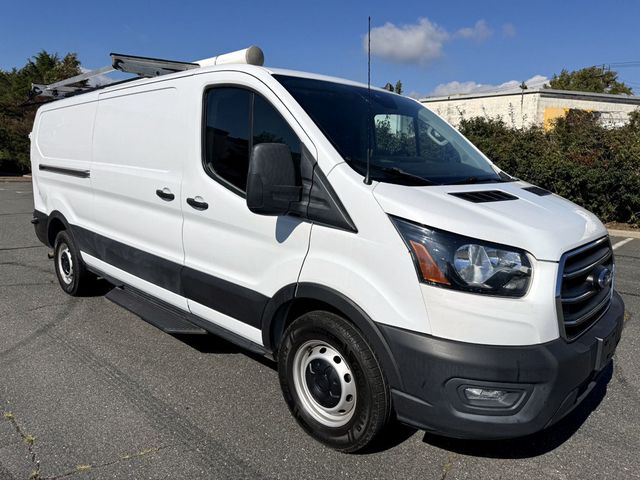


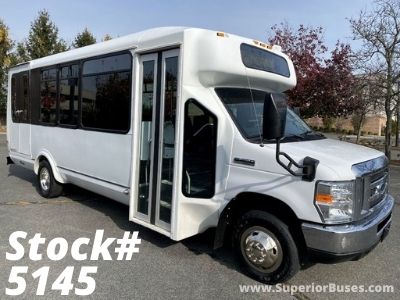



Running a Non-Emergency Medical Transportation (NEMT) service means more than just getting passengers from one place to another. NEMT providers transport individuals who rely on specialized vehicles — whether a wheelchair-accessible bus or an adapted van — to reach dialysis appointments, physical therapy sessions, routine checkups, and other essential medical care. These are not optional trips. For many passengers, a missed ride means a missed treatment.
That’s why the condition of your NEMT vehicle matters deeply. Whether you operate a full-sized wheelchair bus or a smaller accessible van, consistent maintenance is what keeps your service dependable, your passengers safe, and your business running without costly interruptions. SuperiorBuses.com offers professionally refurbished and reconditioned NEMT buses and vans, inspected to the highest standards so every ride is smooth, safe, and reliable.
Understanding NEMT: Buses and Vans Serve the Same Mission
Non-Emergency Medical Transportation covers a broad range of vehicles, and both buses and vans play an equally important role in this space. While they differ in size and capacity, their purpose overlaps completely — providing safe, accessible, dignified transport for passengers with mobility challenges or medical needs.
NEMT buses are typically larger, seating anywhere from 12 to 30 or more passengers, and are well suited for group transport, assisted living facilities, or dialysis centers serving multiple patients on a single route. They are built with multiple wheelchair securement positions, wide aisles, and heavy-duty lifts capable of handling power wheelchairs and scooters.
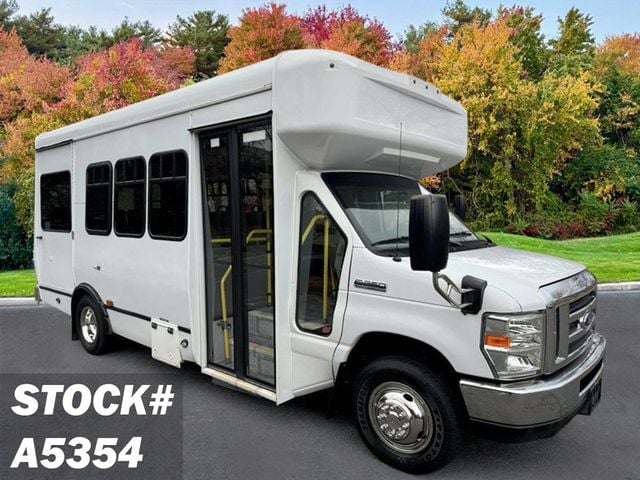
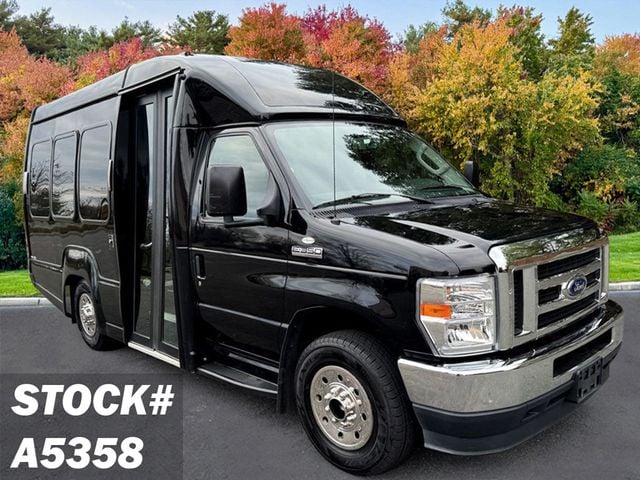
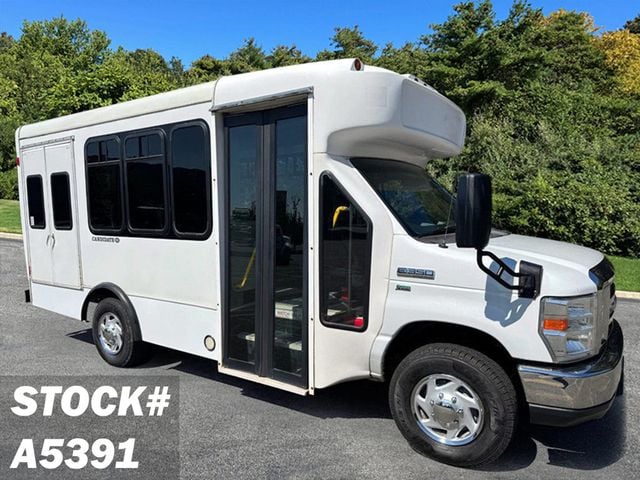
NEMT vans, on the other hand, offer flexibility for smaller operations or individual patient transport. They are easier to maneuver in tight urban environments, cost less to operate on low-volume routes, and can be deployed quickly for last-minute or on-demand trips. Many operators run a mixed fleet, using vans for individual pickups and buses for scheduled group routes.
Both vehicle types must meet ADA compliance standards, carry appropriate safety restraints, and be maintained to the same rigorous standards. The choice between a bus and a van often comes down to route volume, passenger load, and operational budget — but the maintenance requirements and care standards apply equally to both.
Engine Health: The Foundation of Every Reliable Trip
Whether you operate a bus or a van, the engine is the foundation of your vehicle’s reliability. A well-maintained engine means consistent fuel efficiency, fewer breakdowns, and a smoother ride for passengers who may already be dealing with physical discomfort.
Regular oil changes, clean filters, and routine checks on belts and hoses are non-negotiable. Watch for fluid leaks, unusual sounds, or changes in fuel consumption — these are early warning signs that small issues are developing into larger ones. For NEMT operators running multiple trips daily, even a minor engine issue can cascade into missed appointments and frustrated clients.
Vans with smaller engines may require more frequent checks under heavy daily use, while larger buses should be monitored for turbocharger health and cooling system performance. In both cases, staying ahead of engine maintenance protects your investment and keeps your schedule intact.
Brakes and Undercarriage: Safety You Cannot Compromise
For NEMT vehicles carrying passengers with limited mobility, braking performance is a non-negotiable safety requirement. Brakes must respond immediately and feel solid under all road conditions. Any sponginess, grinding, or delayed response should be addressed before the vehicle returns to service.
The undercarriage deserves equal attention. Road salt, moisture, and debris accumulate beneath both buses and vans, accelerating rust and structural wear. Regular undercoating and inspections — particularly in regions with harsh winters or wet climates — prevent long-term damage that is expensive to repair and difficult to detect until it becomes serious.
For vans, pay close attention to brake pad wear on frequent stop-and-go urban routes. For buses, inspect the air brake systems thoroughly and ensure all components meet manufacturer specifications. Both vehicle types benefit significantly from scheduled undercarriage cleaning and protective treatments.
Tires and Suspension: Comfort and Control on Every Route
NEMT passengers are often elderly, post-surgical, or managing chronic conditions. A rough, uncomfortable ride is not just unpleasant — it can be genuinely harmful. Tires and suspension systems directly determine the quality of every trip.
Check tire tread depth and pressure regularly. Uneven wear patterns are often the first sign of alignment or suspension problems that, if left unaddressed, will worsen quickly. Proper inflation improves fuel efficiency and reduces blowout risk, both critical for operators running tight daily schedules.
Suspension checks are equally important for both buses and vans. Buses carry heavier loads and require inspection of air suspension components, shock absorbers, and frame integrity. Vans should have their independent suspension systems checked for worn bushings and ball joints, which degrade faster on uneven urban roads. Keeping both in top condition ensures a smooth, stable ride for every passenger, every time.
Accessibility Features: The Heart of NEMT Service
Lifts, ramps, wheelchair securement systems, and safety restraints are not optional extras in NEMT vehicles — they are the core of what makes the service possible. A malfunctioning lift or a sticking ramp does not just cause delays; it can leave a passenger stranded or create a serious safety risk.
For buses, inspect power lift mechanisms, hydraulic fluid levels, and door alignment regularly. Wheelchair securement tracks must be clean, functional, and free of damage. Safety belts and shoulder harnesses should be checked for wear and proper retraction.
For vans, fold-out ramps and manual or electric side-entry lifts require consistent lubrication and alignment checks. Tie-down systems must be inspected before every shift, as these directly secure the passenger during transit.
Both vehicle types must meet current ADA standards and pass regular compliance inspections. Operators should maintain detailed records of all accessibility feature maintenance, as these may be required during audits or insurance reviews.
Electrical Systems: Keeping Everything Running Smoothly
Modern NEMT vehicles rely heavily on electrical systems — from dashboard indicators and interior lighting to lift controls and climate systems. Faulty wiring or failing electronics can cause unexpected breakdowns, create safety hazards, and disrupt service without warning.
Regular electrical inspections should cover lighting systems, control panels, lift electronics, heating and cooling units, and communication equipment. For reconditioned vehicles, ensure all wiring has been inspected and repaired before deployment. Electrical issues are among the most common causes of unexpected downtime in both buses and vans.
Vans tend to have simpler electrical systems that are easier and less expensive to diagnose and repair. Buses, with more complex wiring and larger onboard systems, benefit from professional electrical inspections on a scheduled basis. In both cases, addressing small electrical faults early prevents them from developing into larger, costlier problems.
Buses vs. Vans: Choosing the Right NEMT Vehicle for Your Operation
Selecting the right vehicle for your NEMT operation is a decision that affects daily efficiency, passenger comfort, and long-term costs. Here is a practical comparison to help operators make informed choices:
NEMT Buses
Best for: High-volume routes, group transport, assisted living facilities, dialysis centers Capacity: Typically 12 to 30+ passengers Wheelchair positions: Multiple securement points Operating costs: Higher fuel and maintenance costs, offset by higher passenger volume per trip Maneuverability: Better suited for suburban and rural routes with wider roads Maintenance complexity: Higher, requires specialized technicians for air brakes, lifts, and suspension
NEMT Vans
Best for: Individual patient transport, on-demand trips, urban environments Capacity: Typically 2 to 8 passengers Wheelchair positions: One to two securement points Operating costs: Lower fuel and maintenance costs, ideal for low-volume routes Maneuverability: Excellent in tight urban spaces, easier to park and navigate Maintenance complexity: Lower, most repairs accessible to general mechanics.
Many successful NEMT operators maintain a mixed fleet, deploying vans for flexible individual transport and buses for scheduled group routes. This approach maximizes vehicle utilization, controls costs, and ensures the right vehicle is always available for the right trip.
Buying From a Trusted Source
Whether you are purchasing a wheelchair bus or an accessible van, the seller matters as much as the vehicle itself. A reputable dealer provides complete service records, thorough inspection reports, and reliable delivery. Vehicles from trusted sources arrive ready for service, reducing the risk of costly repairs in the first weeks of operation.
Avoid brokers or sellers who cannot provide proper documentation or who rush the sale process. Incomplete vehicle histories and uninspected vehicles often come with hidden mechanical or compliance issues that become your problem the moment the vehicle arrives.
SuperiorBuses.com provides reconditioned and refurbished NEMT buses and vans with full inspection records, verified service histories, and safe delivery to your location. Every vehicle is prepared to meet the demands of daily medical transport service from day one.
Choose Quality With SuperiorBuses.com
Maintaining your NEMT vehicle — whether a bus or a van — is not just about avoiding breakdowns. It is about honoring the trust passengers place in your service every time they board. From engines and brakes to lifts and electrical systems, every component plays a role in delivering safe, dignified, and dependable medical transportation.
SuperiorBuses.com offers a carefully selected inventory of reconditioned and refurbished NEMT buses and vans, ready to support your operation from day one. For dependable service and quality vehicles, contact us at Superiorbuses@gmail.com or call (516)-692-1111, and explore our full selection at https://superiorbuses.com/.
FAQs
1. What does NEMT mean, and what vehicles does it include?
NEMT stands for Non-Emergency Medical Transportation. It covers both wheelchair-accessible buses and vans used to transport patients to medical appointments, therapy sessions, and other essential healthcare visits. Both vehicle types serve the same mission and must meet ADA compliance standards.
2. What is the difference between an NEMT bus and an NEMT van?
NEMT buses are larger, carry more passengers, and are ideal for group routes or high-volume operations. NEMT vans are smaller, more maneuverable, and better suited for individual patient transport or urban environments. Many operators use both in a mixed fleet to maximize efficiency.
3. How often should NEMT vehicles be inspected?
Both buses and vans used for medical transport should undergo routine maintenance checks on engines, brakes, tires, accessibility features, and electrical systems at regular intervals. Accessibility features such as lifts and securement systems should be inspected before every shift.
4. Are reconditioned NEMT vehicles reliable for daily service?
Yes. Professionally reconditioned vehicles from trusted dealers like SuperiorBuses.com are inspected, repaired, and prepared for immediate daily use. Full service records and inspection reports give operators confidence in every vehicle they purchase.
5. How do I choose between an NEMT bus and a van for my operation?
Consider your route volume, passenger load, and operating environment. Buses are more efficient for high-volume group routes, while vans offer flexibility and lower costs for individual or on-demand transport. A mixed fleet often provides the best balance of capacity and operational efficiency.