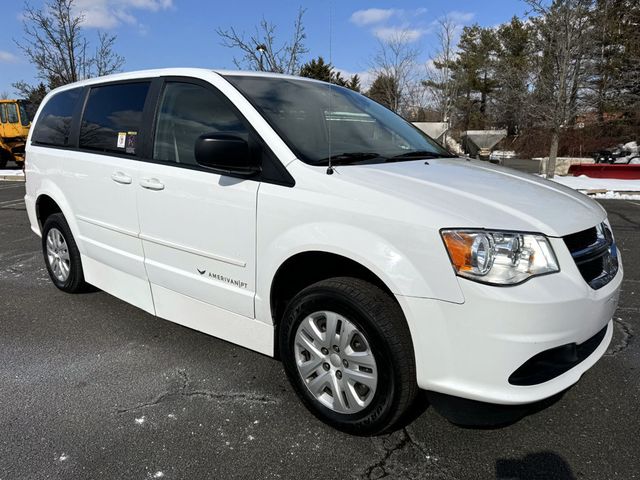
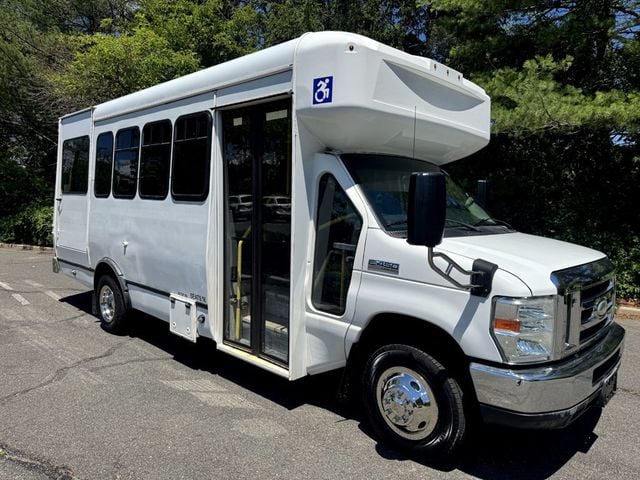
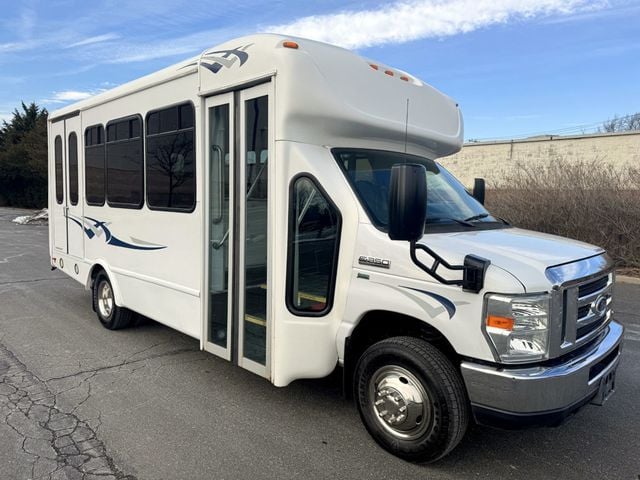
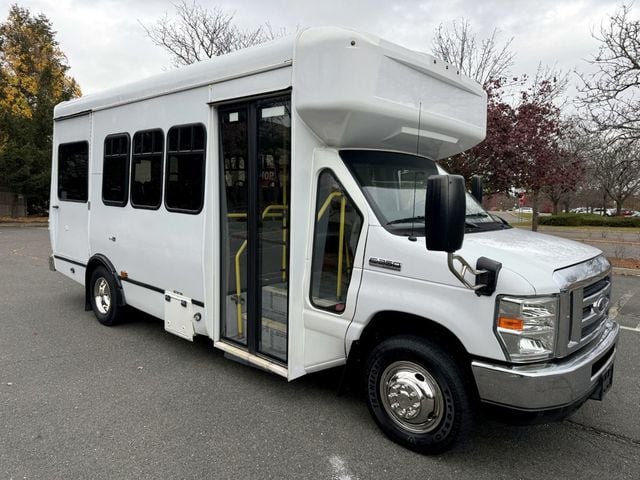
How Old Buses Get a Second Life: A Peek Behind the Scenes

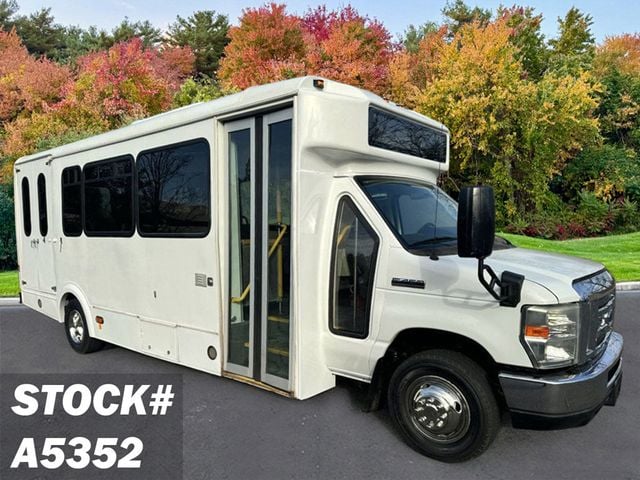
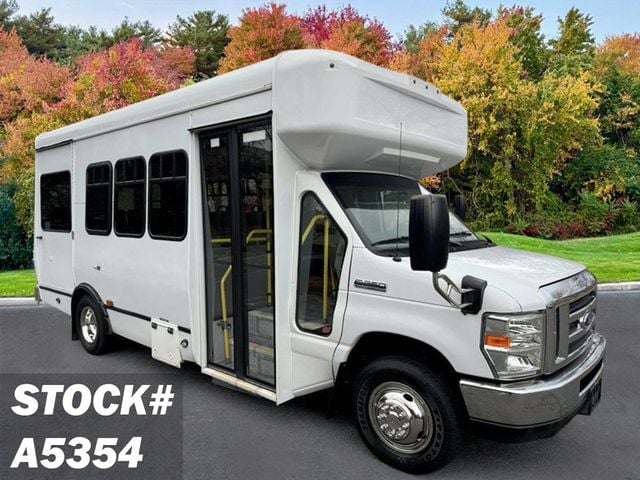
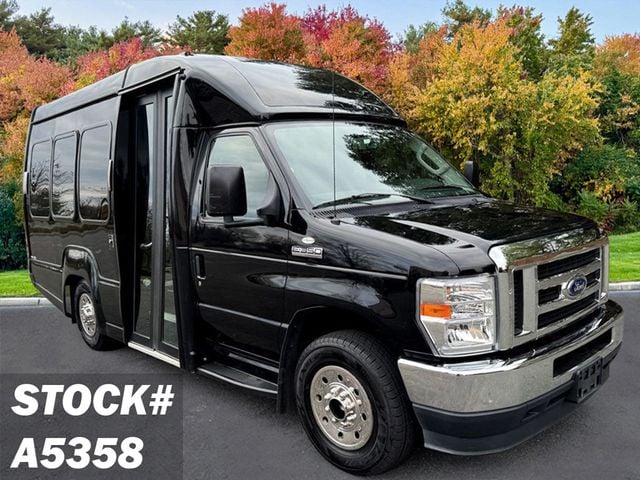
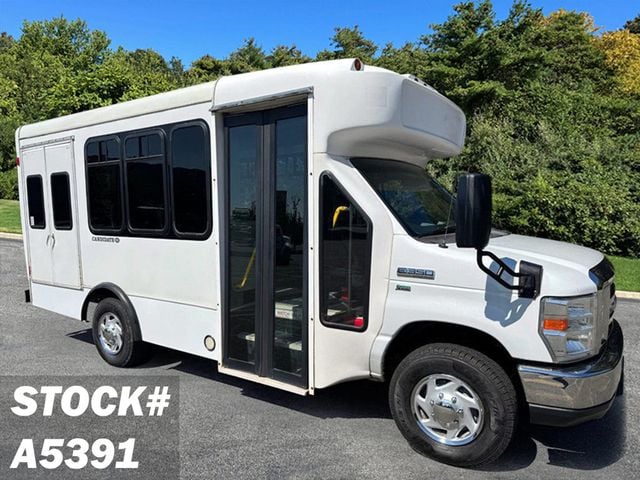
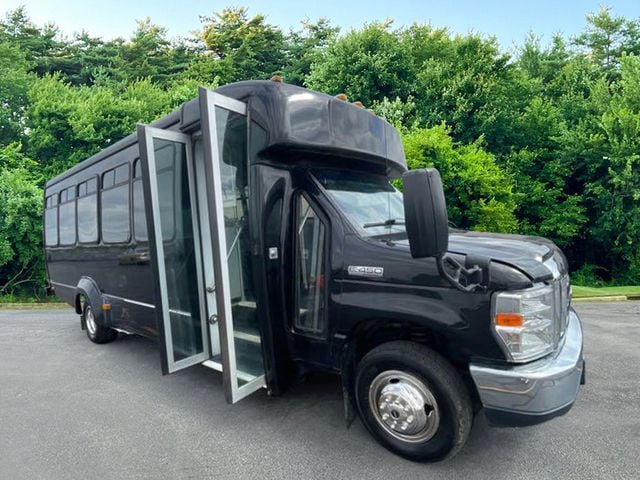
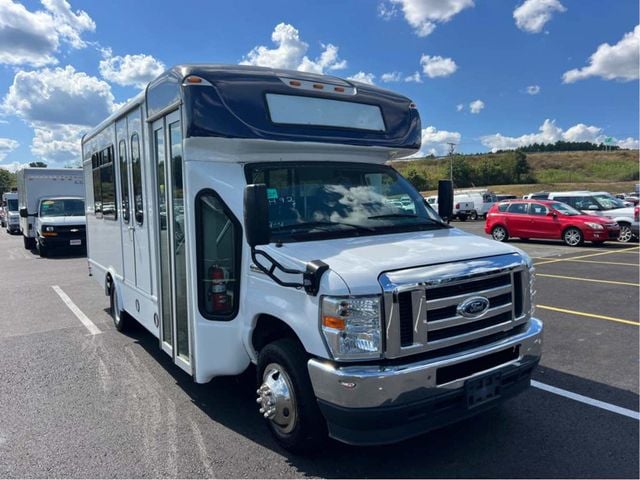
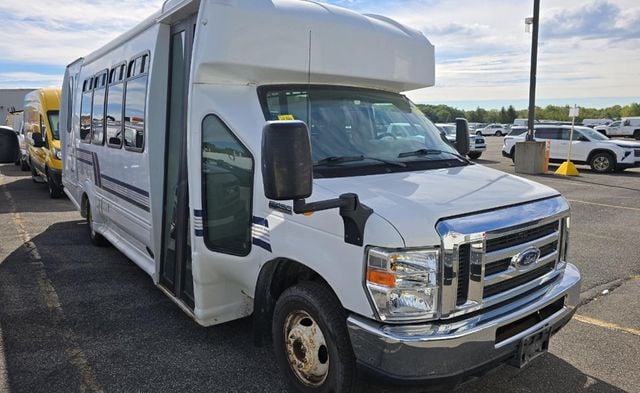
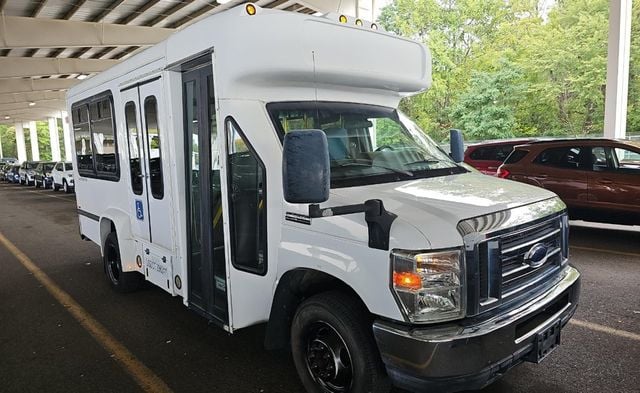
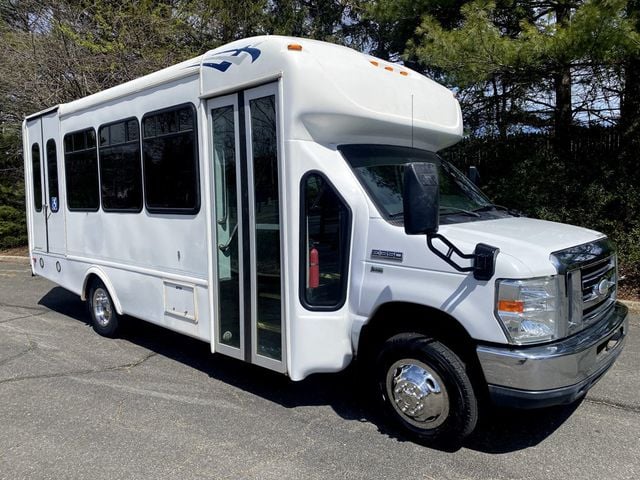
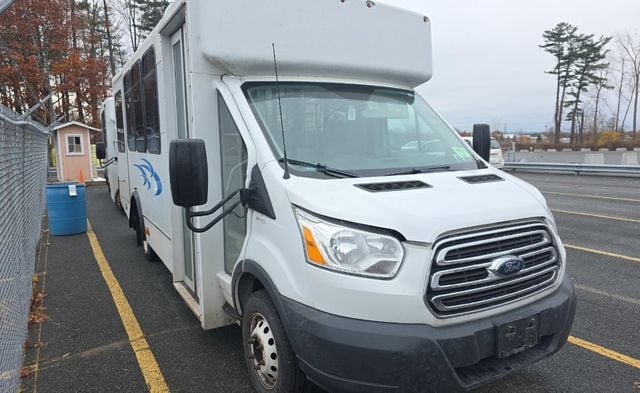
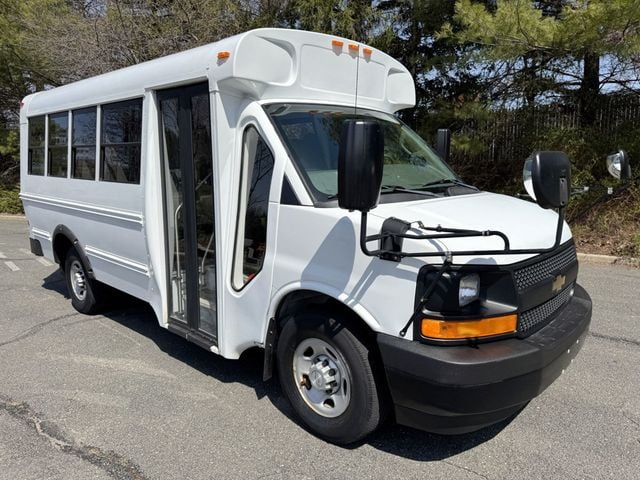
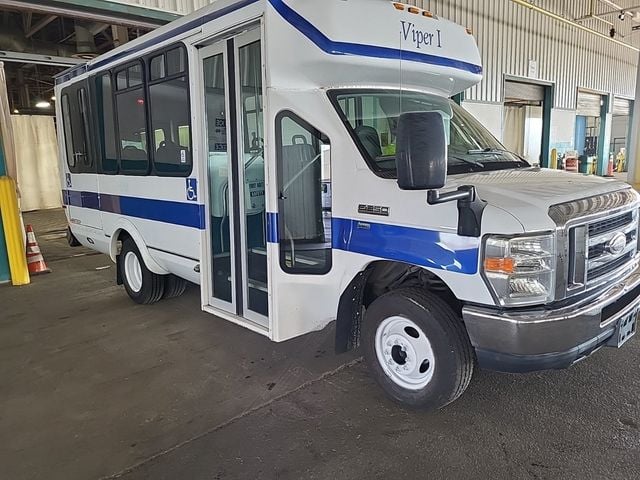
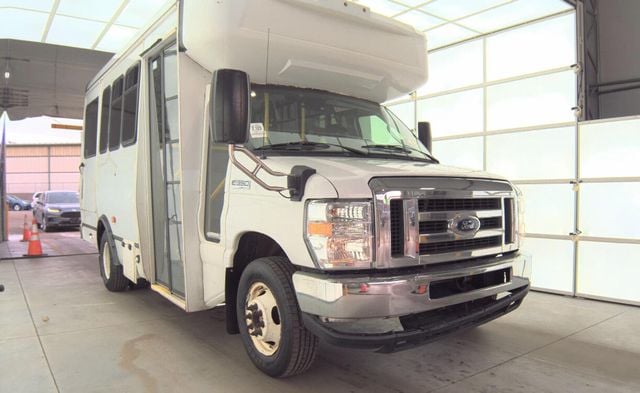
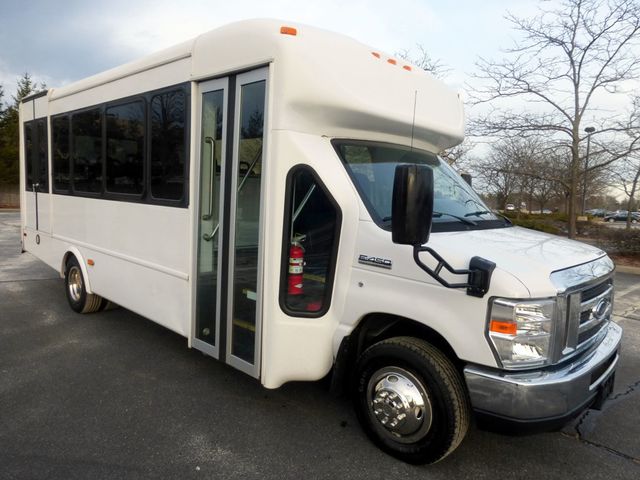
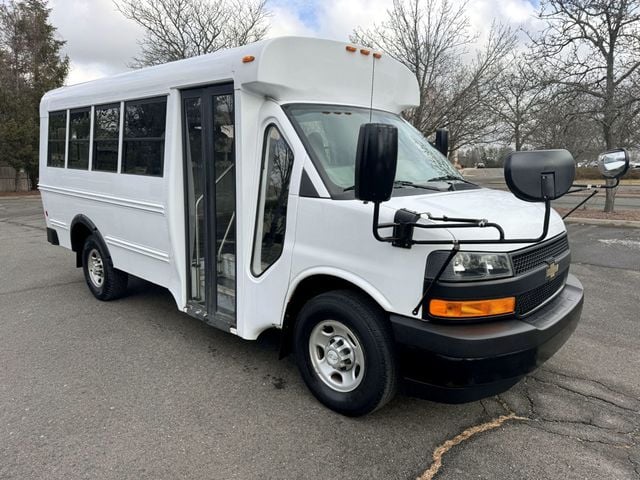
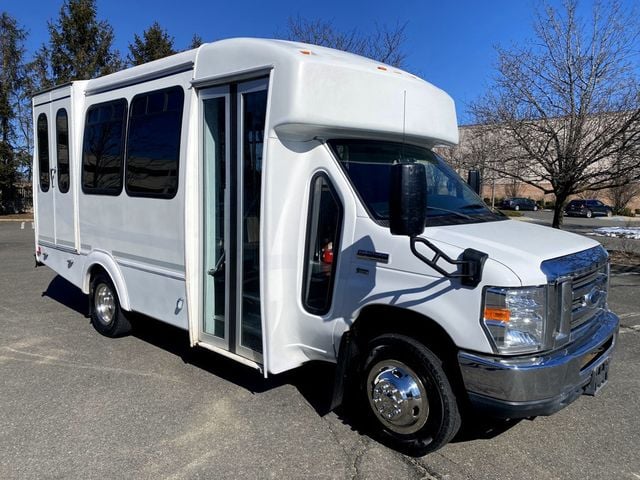
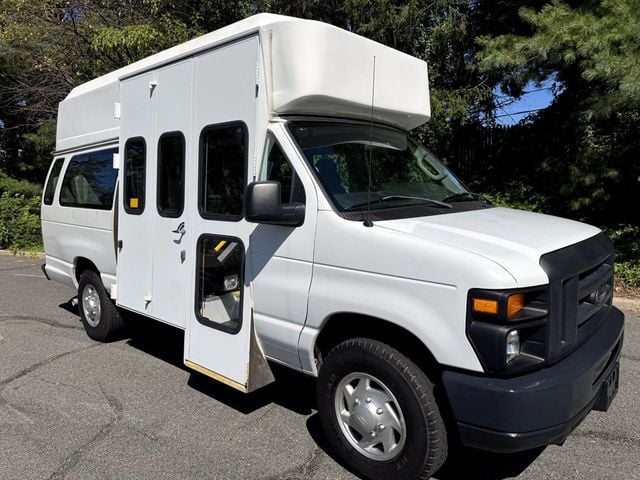
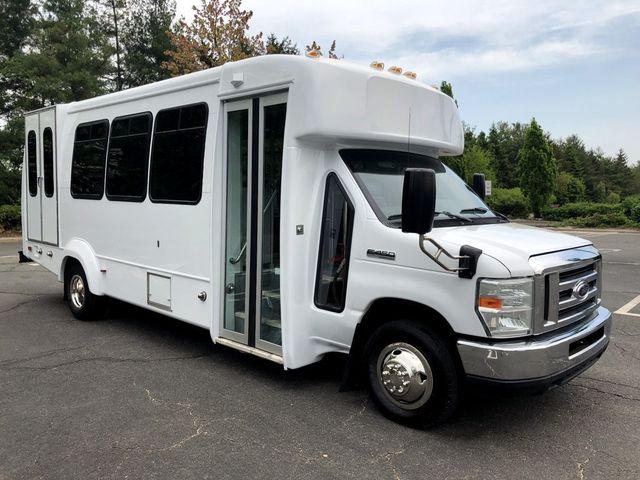
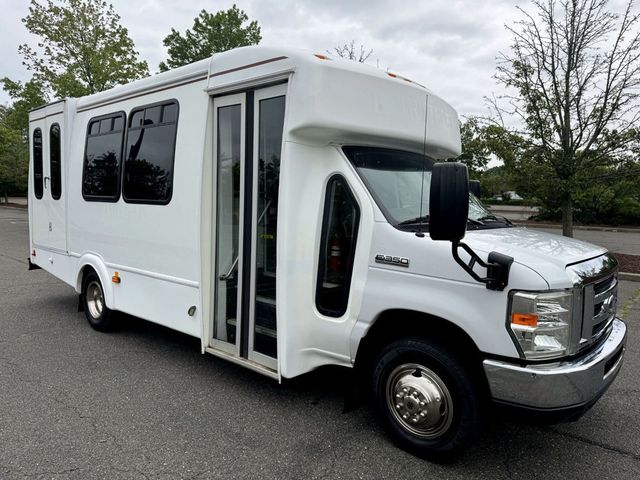
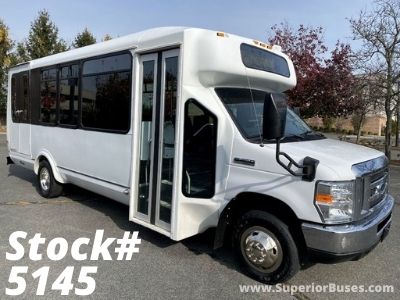
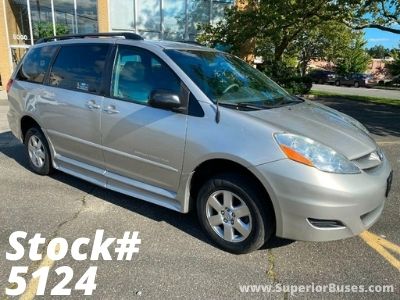
Ever wondered what happens to buses after years on the road? For schools, community programs, or local transport coordinators, a used small bus for sale can be a real solution, but only if it’s properly refurbished. These buses don’t just get a fresh coat of paint. Rather, they go through a full reconditioning process that ensures safety, comfort, and reliability. From mechanical repairs to accessibility upgrades, every step gives the bus a second life, ready to serve students and passengers safely every day. Starting with a Close Look Before anything else, each bus gets a thorough check. Technicians look at every part—the engine, transmission, brakes, suspension, tires, and electrical systems. They also scan for rust, leaks, or body damage that could affect safety. Think of it as a complete health check for a bus. By catching issues early, the team ensures the vehicle is ready for more years of reliable service. Fixing What Matters Most Once inspections are complete, the real work begins with mechanical reconditioning. Brakes, steering, and suspension are carefully checked and serviced because safety is non-negotiable, especially for school routes. Engines and transmissions get full attention to make sure every ride is smooth and dependable. Whether the bus handles short neighborhood pickups or longer trips to field events, it’s prepared to perform consistently. Choosing a bus that’s fully reconditioned ensures students and passengers can travel safely and comfortably every single day. Making Transportation Accessible One of the most important upgrades is accessibility. Wheelchair lifts, tie-downs, and ADA-compliant seating are tested and repaired. This makes sure students and passengers using mobility devices can travel safely with their peers. By focusing on accessibility, a Ford E-350 shuttle bus for sale becomes more than a bus. It becomes a vehicle everyone can rely on, making your routes inclusive and stress-free. Comfort Counts Comfort matters just as much as safety. Electrical systems, interior lighting, and heating and cooling units are carefully tested to make sure everything works. Picture a chilly winter morning or a scorching summer afternoon—students need a bus that keeps them comfortable. Smooth rides, secure seats, and properly functioning HVAC systems help passengers feel relaxed while giving drivers peace of mind. A bus that’s both safe and comfortable ensures every trip is stress-free and enjoyable for everyone on board. Protecting the Bus from Wear Refurbishment isn’t only about the engine. The bus’s body gets a full checkup, too. Rust spots are treated, doors and windows are tested, and some buses are undercoated to prevent future corrosion. Mirrors and emergency exits are carefully inspected to make sure every trip is safe. These steps not only keep the bus looking clean and well-maintained but also ensure it performs reliably for years. A well-serviced bus is ready for daily routes and long-term use. The Final Test Before a bus hits the road, it goes through a final run. Technicians drive it like it’s on real routes, testing brakes, wheelchair lifts, and other systems. Any last adjustments are made so the bus is fully ready. By the time a used small bus for sale is delivered, it’s safe, reliable, and ready to handle daily routes, sports trips, or after-school programs. Ready for a Second Life For schools and community programs, a refurbished bus from SuperiorBuses.com is more than just a vehicle—it’s a smart investment. It keeps students safe, ensures comfort, and saves on long-term costs. Every bus undergoes thorough inspections, mechanical repairs, and accessibility upgrades, making it ready for reliable daily service. Whether you’re looking for a Ford E-350 shuttle bus for sale or any other used bus, SuperiorBuses.com offers options that combine safety, inclusivity, and efficiency. Explore their selection today and give your fleet the dependable, high-quality transportation it deserves. FAQs 1. Why should schools consider a used small bus for sale? Used small buses are cost-effective and dependable options for school fleets. They provide a budget-friendly solution without compromising safety or comfort. Schools can get reliable transportation for students while saving money compared to buying new buses. 2. What makes a Ford E-350 shuttle bus for sale a good choice? The Ford E-350 is versatile, easy to drive, and ideal for both short neighborhood routes and longer trips. When refurbished, it offers reliable performance, comfortable seating, and accessibility features, making it perfect for schools or community programs. 3. How are refurbished buses made safe for passengers? Refurbishment includes mechanical checks, brake servicing, suspension repairs, bodywork, emergency exit inspections, and accessibility upgrades. All these steps ensure that buses meet safety standards for daily routes and long trips. 4. Are refurbished buses a good option for community programs? Absolutely. They are reliable, cost-effective, and come with accessibility upgrades. Community programs can use them for local transportation, youth programs, or events without worrying about high operating costs. 5. What should I look for when buying a used small bus for sale? Check the mechanical condition, ADA features, seating layout, and overall performance. Ensure the bus has been fully refurbished, with brakes, suspension, engine, and electrical systems in good working order.

10 Questions to Ask Before You Buy a Used Handicap Bus

Buying a used handicap shuttle bus is not something to rush. You need a vehicle that is safe, accessible, and built to handle daily use. The smartest way to avoid costly surprises is to ask the right questions before committing to a purchase. Taking the time to understand a vehicle’s condition, history, and compliance upfront saves time, money, and stress down the road.
Here are 10 essential questions to ask when looking for handicap buses for sale or a paratransit vehicle.

1. How has this bus been maintained?
A well-maintained bus is a reliable bus. Ask whether brakes, tires, suspension, lifts, and engine components have been serviced regularly. Consistent maintenance records indicate a vehicle that has been cared for and is less likely to develop problems shortly after purchase. At SuperiorBuses.com, every vehicle is inspected and repaired before being offered for sale.

2. Can I see the inspection report?

Always ask for detailed inspection documentation. A thorough report covers the engine, suspension, brakes, electrical systems, accessibility features, and structural condition. Reviewing this report gives you an honest picture of the vehicle’s current state and helps you make an informed decision with confidence.

3. Do all the accessibility features work?

Lifts, ramps, wheelchair securement systems, and ADA-compliant seating must operate without hesitation. Test them yourself during any inspection visit. A malfunctioning lift or sticking ramp does not just slow down a trip — it can leave a passenger stranded or create a serious safety risk. Fully functional accessibility features are non-negotiable for handicap transport service.

4. How old is the bus and what is its mileage?

Age and mileage provide important context for evaluating a vehicle’s remaining service life. Higher mileage is not automatically disqualifying, but it does warrant closer scrutiny of wear-prone components such as the engine, transmission, brakes, and suspension. Compare these figures against the maintenance history to get a realistic sense of what the vehicle has been through and what may need attention going forward.

5. Has the vehicle been inspected and repaired before sale?

At SuperiorBuses.com, all vehicles are inspected and repaired before being offered to buyers. This covers mechanical systems, accessibility features, electrical components, and structural integrity. There is no distinction between terms like reconditioned — every vehicle in the inventory is held to the same standard of preparation before it is made available for purchase.

6. Are there any known issues?

Even well-prepared vehicles can have minor issues or recently replaced components. Ask the dealer directly about anything that has been repaired, replaced, or flagged during inspection. This transparency helps you plan for ongoing maintenance and eliminates the risk of discovering problems after the sale that could have been disclosed beforehand.

7. What is the vehicle history, and how can I verify it?

Obtaining a vehicle history report is the buyer’s responsibility, and doing so is strongly recommended before any purchase. A history report can reveal prior accidents, title issues, odometer discrepancies, and previous ownership patterns that may affect your confidence in the vehicle. SuperiorBuses.com maintains inspection documentation on its vehicles and is willing to share these records upon request to assist buyers in their due diligence process.

8. Does the bus meet my passenger and equipment needs?

Confirm that the seating capacity, number of wheelchair securement positions, aisle width, and storage space align with your specific operational requirements. A bus that is too large adds unnecessary operating costs; one that is too small limits your service capacity. Choosing the right configuration from the outset keeps trips efficient, safe, and cost-effective.

9. How is the delivery and paperwork handled?

A trustworthy dealer provides complete documentation and ensures safe, reliable delivery to your location. This includes title paperwork, inspection reports, and any relevant compliance records. Incomplete documentation or rushed delivery processes are warning signs that should not be overlooked — missing records can create legal and operational complications after purchase.

10. Can the dealer support me after the sale?

Post-sale support is a meaningful indicator of a dealer’s confidence in what they sell. Ask whether the dealer is available to answer questions, address concerns, or assist with minor issues after delivery. SuperiorBuses.com stands behind its vehicles and remains available to buyers after the sale, providing the reassurance that you are not on your own once the transaction is complete.

Get Peace of Mind With Every Bus

Asking these ten questions makes buying a used handicap bus significantly easier and safer. From maintenance history and accessibility features to vehicle documentation and post-sale support, each detail plays a role in protecting your investment and ensuring your passengers receive reliable, dignified service every day.
For reconditioned paratransit and handicap buses, contact SuperiorBuses.com today. Email Superiorbuses@gmail.com, call (516)-692-1111, or visit https://superiorbuses.com/. With the right questions and the right dealer, your bus will be safe, compliant, and ready for years of dependable service.

FAQs

1. Should I test drive the bus before buying? 

Yes. A test drive helps you assess how the bus handles, brakes, and steers under real driving conditions. Smooth, responsive operation is essential for safe daily service.
2. What should I look for in a maintenance history?
 

Look for consistent servicing of brakes, tires, engine, suspension, and accessibility features. Regular maintenance indicates a vehicle that has been cared for and is less likely to require significant repairs shortly after purchase.
3. How do I verify the vehicle’s history?
 

Obtaining a vehicle history report is the buyer’s responsibility and is strongly recommended before any purchase. SuperiorBuses.com maintains inspection records on its vehicles and is willing to share these upon request to support your due diligence.
4. Are all vehicles at SuperiorBuses.com inspected before sale?
 

Yes. Every vehicle is inspected and repaired before being offered for sale, covering mechanical systems, accessibility features, electrical components, and structural integrity. All vehicles are held to the same preparation standard regardless of how they are described.
5. What should I know about delivery and paperwork? 

Ensure the dealer provides complete documentation, including title paperwork, inspection reports, and compliance records, along with reliable delivery to your location. SuperiorBuses.com handles both, giving buyers full confidence in their purchase from start to finish.

Small Tourism, Big Reach – The Shuttle Transportation Advantage

Running a small tourism business, managing hotel transfers, or operating airport shuttles does not always require a large bus. For many operators, a smaller shuttle is the smarter, more profitable choice. If you are searching for a used shuttle bus for sale near me or a 14 passenger shuttle bus for sale, understanding what makes these vehicles uniquely suited for small-scale tourism and transport can save you money and deliver a better experience for your passengers. SuperiorBuses.com offers fully refurbished and reconditioned shuttle buses, inspected and prepared for daily service.

Understanding 14 Passenger Shuttle Bus Configurations

One of the most misunderstood aspects of 14 passenger shuttle buses is that the number refers to passenger seating only — it does not include the driver. With the driver included, total occupancy is 15. This matters because federal law requires a Commercial Driver’s License (CDL) for vehicles carrying 16 or more persons including the driver. Staying at 15 total occupants allows operators to hire standard licensed drivers, reducing staffing costs and simplifying scheduling significantly.
Beyond the seat count, these buses come in a variety of configurations that operators should understand before purchasing:
Standard Forward-Facing Layout: Rows of forward-facing seats ideal for airport transfers, hotel shuttles, and group tourism.
Ambulatory Plus Wheelchair Configuration: One or more standard seats are replaced by wheelchair securement positions. A bus with two wheelchair positions may offer 12 ambulatory seats plus two wheelchair spots, still classifying as a 14 passenger vehicle.
ADA-Compliant Layouts: These feature wider aisles, powered lifts or fold-out ramps, and securement systems meeting federal accessibility standards. Seat count may be slightly reduced to accommodate lift mechanisms and securement equipment.
Choosing the right configuration before purchasing ensures every seat is used efficiently, every passenger travels safely, and the vehicle meets all regulatory requirements from day one.

Mechanical Reliability: What to Inspect

For a shuttle making multiple daily trips through city streets and airport terminals, mechanical reliability is non-negotiable. 

Key inspection points include:
Engine and Transmission: The engine should run quietly with no fluid leaks, worn belts, or clogged filters. Transmission shifts should be smooth and immediate — repairs here are among the most expensive on any vehicle.
Brakes and Tires: Brakes must respond firmly and immediately. Uneven tire wear often signals alignment or suspension problems that worsen over time. Inspect the undercarriage for rust or corrosion, particularly on vehicles from regions with heavy winter road salt exposure.
Accessibility Features: Powered lifts, fold-out ramps, and wheelchair securement systems must operate reliably and meet current ADA standards. A malfunctioning lift does not just inconvenience a passenger — it can strand them entirely.
Electrical Systems: Dashboard indicators, interior lighting, lift controls, and climate systems all depend on sound wiring. Electrical faults are among the leading causes of unexpected downtime in commercial vehicles.
Refurbished buses from SuperiorBuses.com have all of these systems inspected and repaired before sale, ensuring the vehicle is genuinely ready for daily service.

Vehicle History and Choosing the Right Seller

Always request complete service records before purchasing. Documented maintenance history tells you how the vehicle was used, how consistently it was serviced, and whether significant repairs have been performed. Sellers who cannot provide this documentation should be approached with caution — incomplete histories are one of the most common sources of unexpected repair costs after purchase.
SuperiorBuses.com provides full inspection reports and service records with every vehicle, giving operators complete visibility into their purchase before delivery.

Reliable and Ready to Go

A 14 passenger shuttle bus is one of the most versatile vehicles available to small tourism operators and hospitality businesses. Understanding seating configurations, the 15-seat CDL threshold, and what to inspect before buying gives operators the confidence to make a smart purchase.
At SuperiorBuses.com, you will find fully refurbished shuttles in a range of configurations, all inspected and ready for immediate service. Contact Superior Buses at (516)-692-1111, email Superiorbuses@gmail.com, or visit https://superiorbuses.com/ to find the right shuttle for your operation today.

FAQs

Q1: Does a 14 passenger shuttle bus include the driver in the seat count? 

A: No. A 14 passenger shuttle bus seats 14 passengers plus the driver, totaling 15 occupants. Vehicles carrying 16 or more persons including the driver require a CDL under federal law, so staying at 15 keeps staffing requirements simpler and more affordable.
Q2: What seating configurations are available? 

A: Options include standard forward-facing layouts, combined ambulatory and wheelchair arrangements, and fully ADA-compliant designs with powered lifts or ramps. The right configuration depends on your passenger profile and service type.
Q3: Do drivers need a CDL for a 14 passenger shuttle? 

A: Not under federal law, as the total occupancy of 15 falls below the 16-person CDL threshold. However, some states impose additional licensing requirements for passenger-for-hire vehicles, so always verify local regulations before operating commercially.
Q4: What should I inspect when buying a used shuttle bus? 

A: Focus on engine and transmission condition, brake responsiveness, tire wear, undercarriage integrity, accessibility features, electrical systems, and complete service records. A reputable dealer like SuperiorBuses.com ensures all of these are addressed before delivery.
Q5: Where can I find a used shuttle bus for sale near me? 

A: SuperiorBuses.com offers fully refurbished 14 passenger shuttles in various configurations, all inspected and ready for service. Call (516)-692-1111, email Superiorbuses@gmail.com, or visit https://superiorbuses.com/ to browse available options.

How Regular Care Can Extend the Life of Your NEMT Vehicle

Running a Non-Emergency Medical Transportation (NEMT) service means more than just getting passengers from one place to another. NEMT providers transport individuals who rely on specialized vehicles — whether a wheelchair-accessible bus or an adapted van — to reach dialysis appointments, physical therapy sessions, routine checkups, and other essential medical care. These are not optional trips. For many passengers, a missed ride means a missed treatment.

That’s why the condition of your NEMT vehicle matters deeply. Whether you operate a full-sized wheelchair bus or a smaller accessible van, consistent maintenance is what keeps your service dependable, your passengers safe, and your business running without costly interruptions. SuperiorBuses.com offers professionally refurbished and reconditioned NEMT buses and vans, inspected to the highest standards so every ride is smooth, safe, and reliable.

Understanding NEMT: Buses and Vans Serve the Same Mission

Non-Emergency Medical Transportation covers a broad range of vehicles, and both buses and vans play an equally important role in this space. While they differ in size and capacity, their purpose overlaps completely — providing safe, accessible, dignified transport for passengers with mobility challenges or medical needs.

NEMT buses are typically larger, seating anywhere from 12 to 30 or more passengers, and are well suited for group transport, assisted living facilities, or dialysis centers serving multiple patients on a single route. They are built with multiple wheelchair securement positions, wide aisles, and heavy-duty lifts capable of handling power wheelchairs and scooters.

NEMT vans, on the other hand, offer flexibility for smaller operations or individual patient transport. They are easier to maneuver in tight urban environments, cost less to operate on low-volume routes, and can be deployed quickly for last-minute or on-demand trips. Many operators run a mixed fleet, using vans for individual pickups and buses for scheduled group routes.

Both vehicle types must meet ADA compliance standards, carry appropriate safety restraints, and be maintained to the same rigorous standards. The choice between a bus and a van often comes down to route volume, passenger load, and operational budget — but the maintenance requirements and care standards apply equally to both.

Engine Health: The Foundation of Every Reliable Trip

Whether you operate a bus or a van, the engine is the foundation of your vehicle’s reliability. A well-maintained engine means consistent fuel efficiency, fewer breakdowns, and a smoother ride for passengers who may already be dealing with physical discomfort.

Regular oil changes, clean filters, and routine checks on belts and hoses are non-negotiable. Watch for fluid leaks, unusual sounds, or changes in fuel consumption — these are early warning signs that small issues are developing into larger ones. For NEMT operators running multiple trips daily, even a minor engine issue can cascade into missed appointments and frustrated clients.

Vans with smaller engines may require more frequent checks under heavy daily use, while larger buses should be monitored for turbocharger health and cooling system performance. In both cases, staying ahead of engine maintenance protects your investment and keeps your schedule intact.

Brakes and Undercarriage: Safety You Cannot Compromise

For NEMT vehicles carrying passengers with limited mobility, braking performance is a non-negotiable safety requirement. Brakes must respond immediately and feel solid under all road conditions. Any sponginess, grinding, or delayed response should be addressed before the vehicle returns to service.

The undercarriage deserves equal attention. Road salt, moisture, and debris accumulate beneath both buses and vans, accelerating rust and structural wear. Regular undercoating and inspections — particularly in regions with harsh winters or wet climates — prevent long-term damage that is expensive to repair and difficult to detect until it becomes serious.

For vans, pay close attention to brake pad wear on frequent stop-and-go urban routes. For buses, inspect the air brake systems thoroughly and ensure all components meet manufacturer specifications. Both vehicle types benefit significantly from scheduled undercarriage cleaning and protective treatments.

Tires and Suspension: Comfort and Control on Every Route

NEMT passengers are often elderly, post-surgical, or managing chronic conditions. A rough, uncomfortable ride is not just unpleasant — it can be genuinely harmful. Tires and suspension systems directly determine the quality of every trip.

Check tire tread depth and pressure regularly. Uneven wear patterns are often the first sign of alignment or suspension problems that, if left unaddressed, will worsen quickly. Proper inflation improves fuel efficiency and reduces blowout risk, both critical for operators running tight daily schedules.

Suspension checks are equally important for both buses and vans. Buses carry heavier loads and require inspection of air suspension components, shock absorbers, and frame integrity. Vans should have their independent suspension systems checked for worn bushings and ball joints, which degrade faster on uneven urban roads. Keeping both in top condition ensures a smooth, stable ride for every passenger, every time.

Accessibility Features: The Heart of NEMT Service

Lifts, ramps, wheelchair securement systems, and safety restraints are not optional extras in NEMT vehicles — they are the core of what makes the service possible. A malfunctioning lift or a sticking ramp does not just cause delays; it can leave a passenger stranded or create a serious safety risk.

For buses, inspect power lift mechanisms, hydraulic fluid levels, and door alignment regularly. Wheelchair securement tracks must be clean, functional, and free of damage. Safety belts and shoulder harnesses should be checked for wear and proper retraction.

For vans, fold-out ramps and manual or electric side-entry lifts require consistent lubrication and alignment checks. Tie-down systems must be inspected before every shift, as these directly secure the passenger during transit.

Both vehicle types must meet current ADA standards and pass regular compliance inspections. Operators should maintain detailed records of all accessibility feature maintenance, as these may be required during audits or insurance reviews.

Electrical Systems: Keeping Everything Running Smoothly

Modern NEMT vehicles rely heavily on electrical systems — from dashboard indicators and interior lighting to lift controls and climate systems. Faulty wiring or failing electronics can cause unexpected breakdowns, create safety hazards, and disrupt service without warning.

Regular electrical inspections should cover lighting systems, control panels, lift electronics, heating and cooling units, and communication equipment. For reconditioned vehicles, ensure all wiring has been inspected and repaired before deployment. Electrical issues are among the most common causes of unexpected downtime in both buses and vans.

Vans tend to have simpler electrical systems that are easier and less expensive to diagnose and repair. Buses, with more complex wiring and larger onboard systems, benefit from professional electrical inspections on a scheduled basis. In both cases, addressing small electrical faults early prevents them from developing into larger, costlier problems.

Buses vs. Vans: Choosing the Right NEMT Vehicle for Your Operation

Selecting the right vehicle for your NEMT operation is a decision that affects daily efficiency, passenger comfort, and long-term costs. Here is a practical comparison to help operators make informed choices:

NEMT Buses

Best for: High-volume routes, group transport, assisted living facilities, dialysis centers Capacity: Typically 12 to 30+ passengers Wheelchair positions: Multiple securement points Operating costs: Higher fuel and maintenance costs, offset by higher passenger volume per trip Maneuverability: Better suited for suburban and rural routes with wider roads Maintenance complexity: Higher, requires specialized technicians for air brakes, lifts, and suspension
NEMT Vans 

Best for: Individual patient transport, on-demand trips, urban environments Capacity: Typically 2 to 8 passengers Wheelchair positions: One to two securement points Operating costs: Lower fuel and maintenance costs, ideal for low-volume routes Maneuverability: Excellent in tight urban spaces, easier to park and navigate Maintenance complexity: Lower, most repairs accessible to general mechanics.

Many successful NEMT operators maintain a mixed fleet, deploying vans for flexible individual transport and buses for scheduled group routes. This approach maximizes vehicle utilization, controls costs, and ensures the right vehicle is always available for the right trip.

Buying From a Trusted Source

Whether you are purchasing a wheelchair bus or an accessible van, the seller matters as much as the vehicle itself. A reputable dealer provides complete service records, thorough inspection reports, and reliable delivery. Vehicles from trusted sources arrive ready for service, reducing the risk of costly repairs in the first weeks of operation.

Avoid brokers or sellers who cannot provide proper documentation or who rush the sale process. Incomplete vehicle histories and uninspected vehicles often come with hidden mechanical or compliance issues that become your problem the moment the vehicle arrives.

SuperiorBuses.com provides reconditioned and refurbished NEMT buses and vans with full inspection records, verified service histories, and safe delivery to your location. Every vehicle is prepared to meet the demands of daily medical transport service from day one.

Choose Quality With SuperiorBuses.com

Maintaining your NEMT vehicle — whether a bus or a van — is not just about avoiding breakdowns. It is about honoring the trust passengers place in your service every time they board. From engines and brakes to lifts and electrical systems, every component plays a role in delivering safe, dignified, and dependable medical transportation.

SuperiorBuses.com offers a carefully selected inventory of reconditioned and refurbished NEMT buses and vans, ready to support your operation from day one. For dependable service and quality vehicles, contact us at Superiorbuses@gmail.com or call (516)-692-1111, and explore our full selection at https://superiorbuses.com/.

FAQs

1. What does NEMT mean, and what vehicles does it include? 

NEMT stands for Non-Emergency Medical Transportation. It covers both wheelchair-accessible buses and vans used to transport patients to medical appointments, therapy sessions, and other essential healthcare visits. Both vehicle types serve the same mission and must meet ADA compliance standards.

2. What is the difference between an NEMT bus and an NEMT van? 

NEMT buses are larger, carry more passengers, and are ideal for group routes or high-volume operations. NEMT vans are smaller, more maneuverable, and better suited for individual patient transport or urban environments. Many operators use both in a mixed fleet to maximize efficiency.

3. How often should NEMT vehicles be inspected? 

Both buses and vans used for medical transport should undergo routine maintenance checks on engines, brakes, tires, accessibility features, and electrical systems at regular intervals. Accessibility features such as lifts and securement systems should be inspected before every shift.

4. Are reconditioned NEMT vehicles reliable for daily service? 

Yes. Professionally reconditioned vehicles from trusted dealers like SuperiorBuses.com are inspected, repaired, and prepared for immediate daily use. Full service records and inspection reports give operators confidence in every vehicle they purchase.

5. How do I choose between an NEMT bus and a van for my operation? 

Consider your route volume, passenger load, and operating environment. Buses are more efficient for high-volume group routes, while vans offer flexibility and lower costs for individual or on-demand transport. A mixed fleet often provides the best balance of capacity and operational efficiency.


The Event Planner’s Secret Weapon: Hassle-Free Shuttle Buses

If you’ve ever planned an event, you know transportation can be one of the trickiest parts. Guests arriving late, confusing pick-up points, or coordinating multiple cars—it can turn a smooth plan into a stressful juggling act. That’s why many event planners are turning to refurbished shuttle buses as a secret weapon. With a reliable bus from SuperiorBuses.com, moving a crowd becomes simple, safe, and stress-free. Suddenly, logistics feel manageable, and you can focus on the event itself.

Keep Guests Together and On Time

Imagine having everyone arrive at the venue on time, without a single mix-up. A shuttle bus makes this possible. One vehicle can carry an entire group, eliminating the need to coordinate multiple cars or rideshares. Guests don’t get lost, and organizers don’t have to check in constantly. When everyone travels together, the day starts smoother, and the mood stays positive from the very first stop.

Simplify Planning and Logistics

Transportation often complicates schedules. Pick-up times, stops, and traffic can throw plans off course. Owning or leasing a shuttle bus changes all that. You control departure times, stops, and routes without relying on rental availability. A non-CDL shuttle bus for sale gives you that freedom. You can plan a seamless, predictable travel experience from start to finish, making your job easier and less stressful.

Save Money in the Long Run

Frequent events can make bus rentals expensive in a hurry. Daily or hourly fees, mileage charges, and last-minute surcharges pile up. Investing in a bus can save you money over time. With a non-CDL shuttle bus for sale, you can use it for multiple events without incurring repeated rental costs, making it practical for recurring conferences, weddings, or festivals and leaving more room in your budget for decorations, catering, or entertainment.

Comfort and Safety Matter

Guests notice when travel is smooth and comfortable. Shuttle buses are designed with passenger safety in mind, offering proper seating, securement, and smooth rides. Travelers can relax, chat, or prepare for the event instead of worrying about traffic or parking. Comfortable transport ensures attendees arrive refreshed, helping your event feel polished and professional.

Flexible and Adaptable on the Go

No plan is ever perfect. A group might run late, traffic may slow you down, or schedules might shift. With your own shuttle bus, you can adjust routes, departure times, or stops on the fly. This flexibility makes a big difference in how smoothly the day runs. Guests notice the difference, and organizers gain peace of mind knowing they control the situation.

Reach Any Venue with Ease

Whether your event is downtown, at a conference center, or outdoors, a shuttle bus can get your group there safely. Many providers, like the Superior Bus company, offer delivery across states, so you aren’t limited by location. This makes planning large events in multiple areas much easier, reducing stress for organizers while keeping guests comfortable.

Why Non-CDL Shuttle Buses Are a Planner’s Secret Weapon

A refurbished non-CDL shuttle bus is a game-changer for event planners and organizations. It can be driven with a regular driver’s license, making staffing easier and trips more flexible. These buses are simple to maneuver in tight spaces, cost-efficient, and fuel-friendly. Owning one gives control, reduces scheduling stress, and provides safe, reliable transport for frequent use.

Make Your Next Event Effortless with SuperiorBuses.com

If you’re ready to take the stress out of event transportation, a used shuttle bus from SuperiorBuses.com is the solution you’ve been looking for. From flexible scheduling to safe, comfortable rides, their buses make group travel simple and reliable. Whether you need a non-CDL shuttle bus for sale or want a vehicle that can handle recurring events with ease, SuperiorBuses.com has options to fit your needs.
Take control of your event logistics, keep your guests happy, and make every outing smooth and hassle-free.
Need a ride? Let’s make it easy:
⮚ Drop us a line: Superiorbuses@gmail.com
⮚ Give us a call: (516)-692-1111 – ask for Superior Buses!
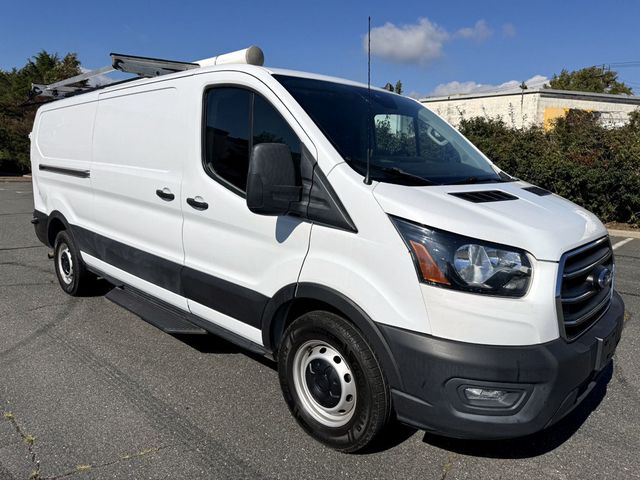
⮚ Check us out online: SuperiorBuses.com

Top Questions, Answered

Q: Why are shuttle buses helpful for event planning?
A: Shuttle buses keep guests together, reduce delays, and remove confusion around parking or directions. They help events run on time and lower stress for both organizers and attendees.
Q: What is a non-CDL shuttle bus?
A: A non-CDL shuttle bus is a bus that can be driven with a standard driver’s license. This makes staffing easier and gives planners more flexibility for frequent or short-notice events.
Q: Who should consider a non-CDL shuttle bus for sale?
A: Event planners, venues, campuses, resorts, and organizations that host regular gatherings benefit most. Ownership works well when transport is needed often.
Q: Are shuttle buses suitable for both small and large events?
A: Yes. Shuttle buses work well for weddings, conferences, festivals, and corporate events. They scale easily by running multiple trips on a set schedule.
Q: How does a shuttle bus improve guest experience?
A: Guests arrive together, on time, and relaxed. They don’t worry about parking, traffic, or directions, which helps set a positive tone for the event.