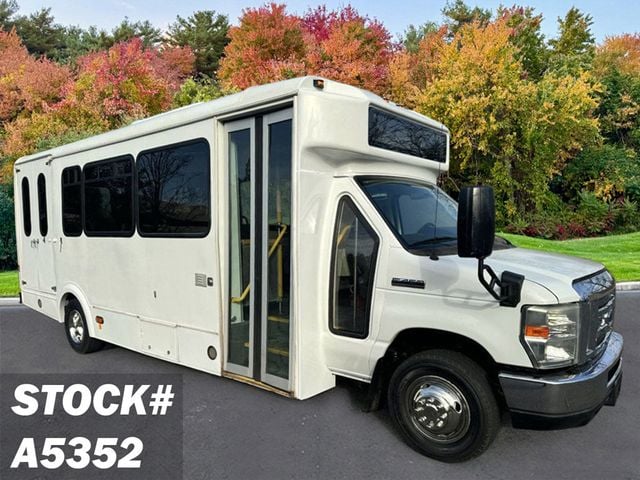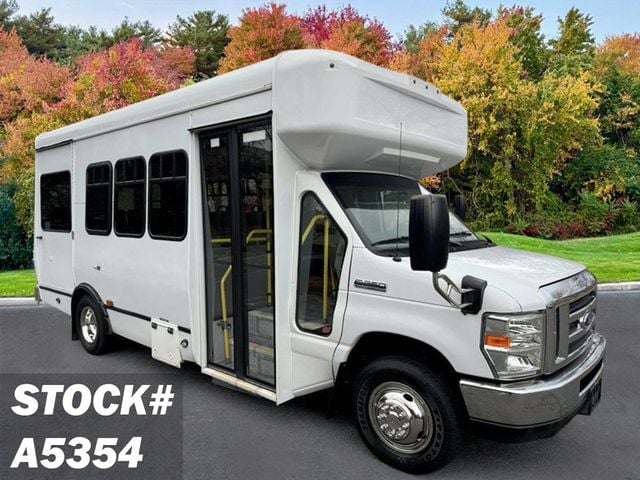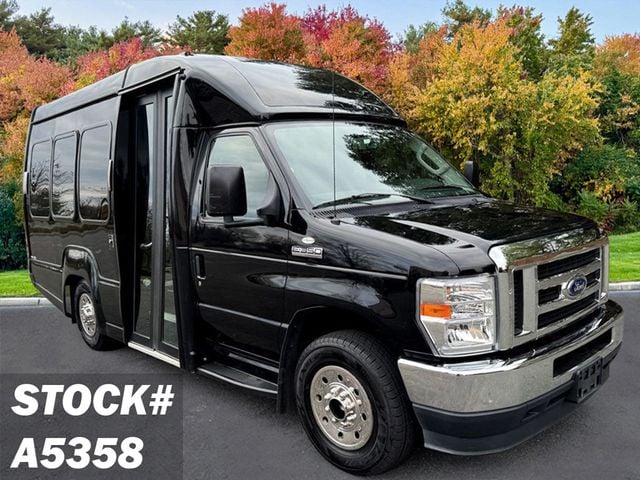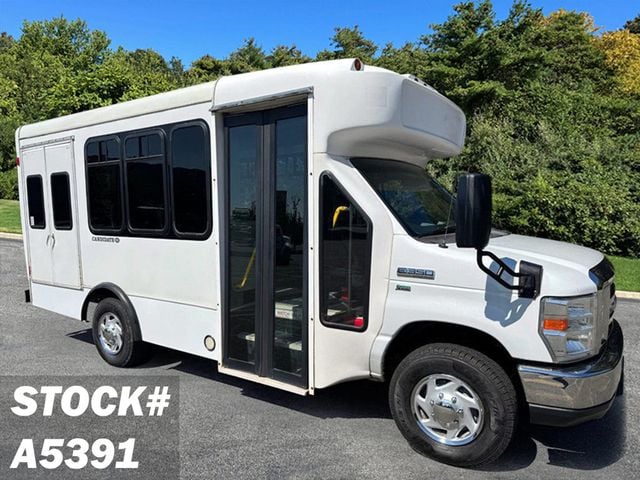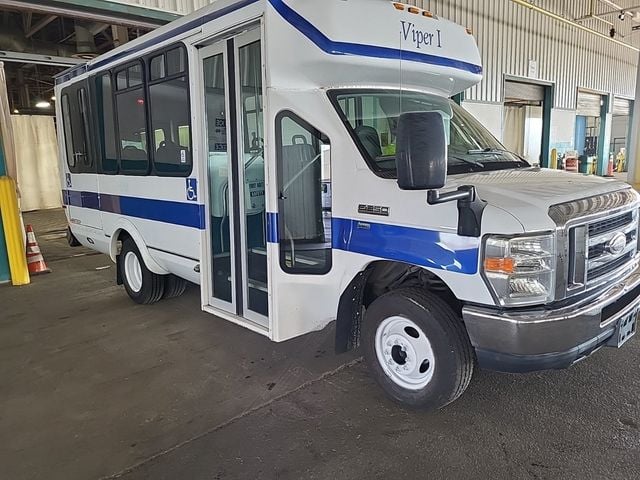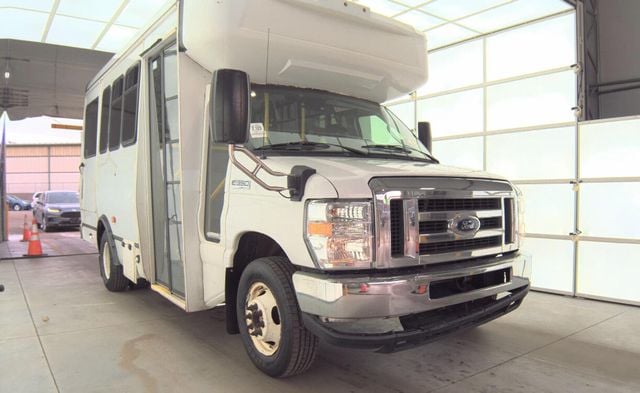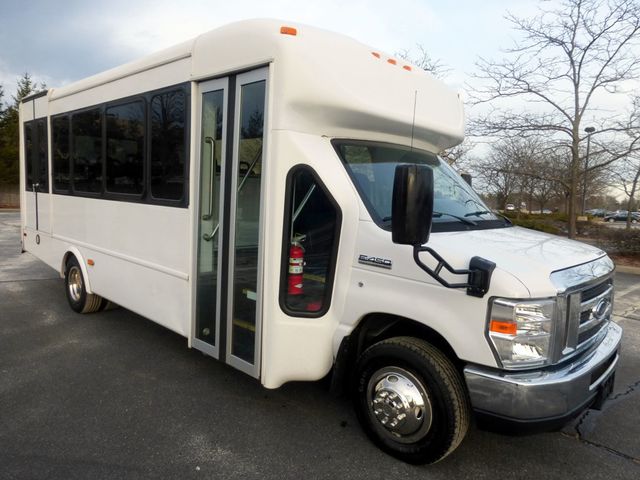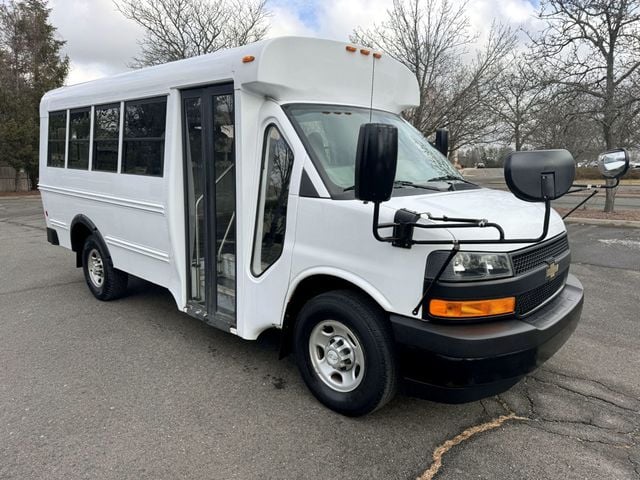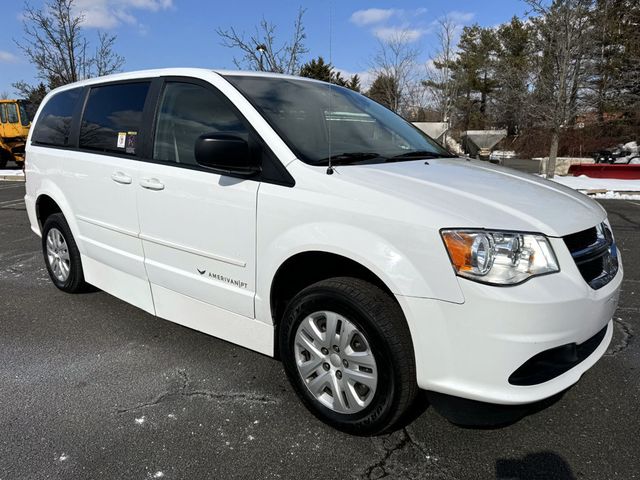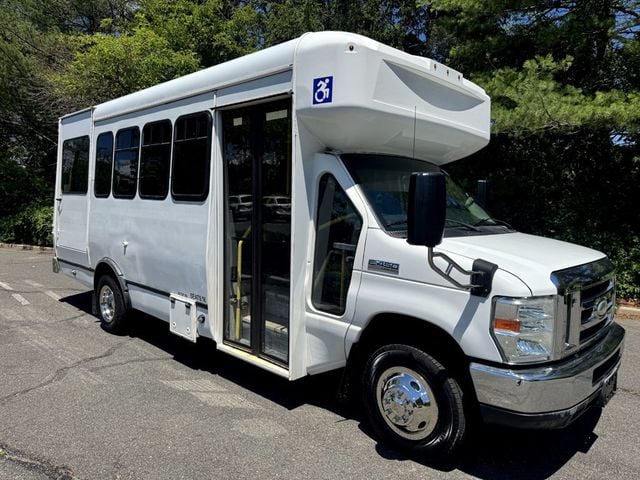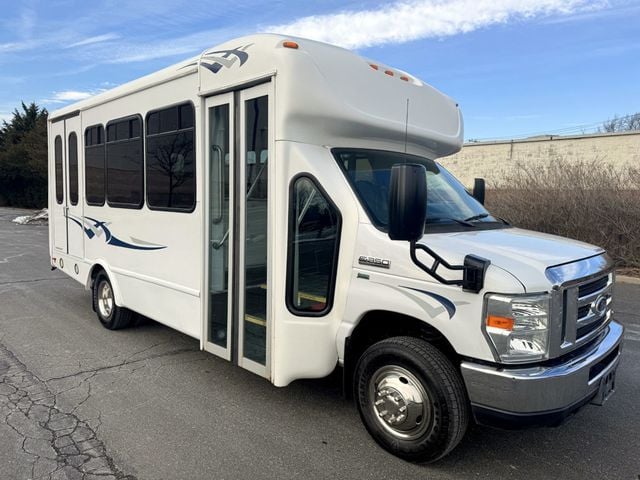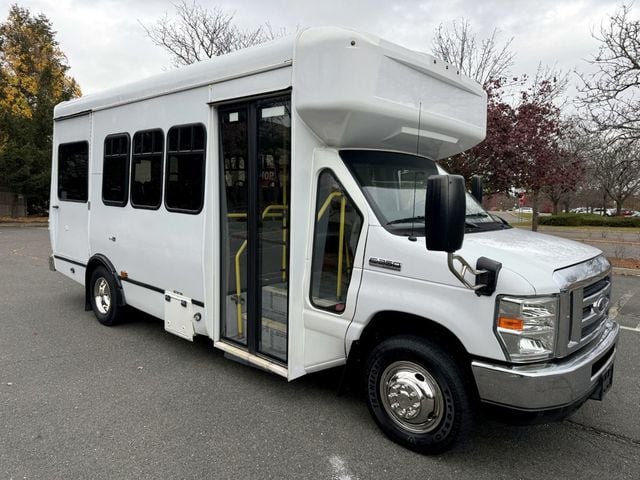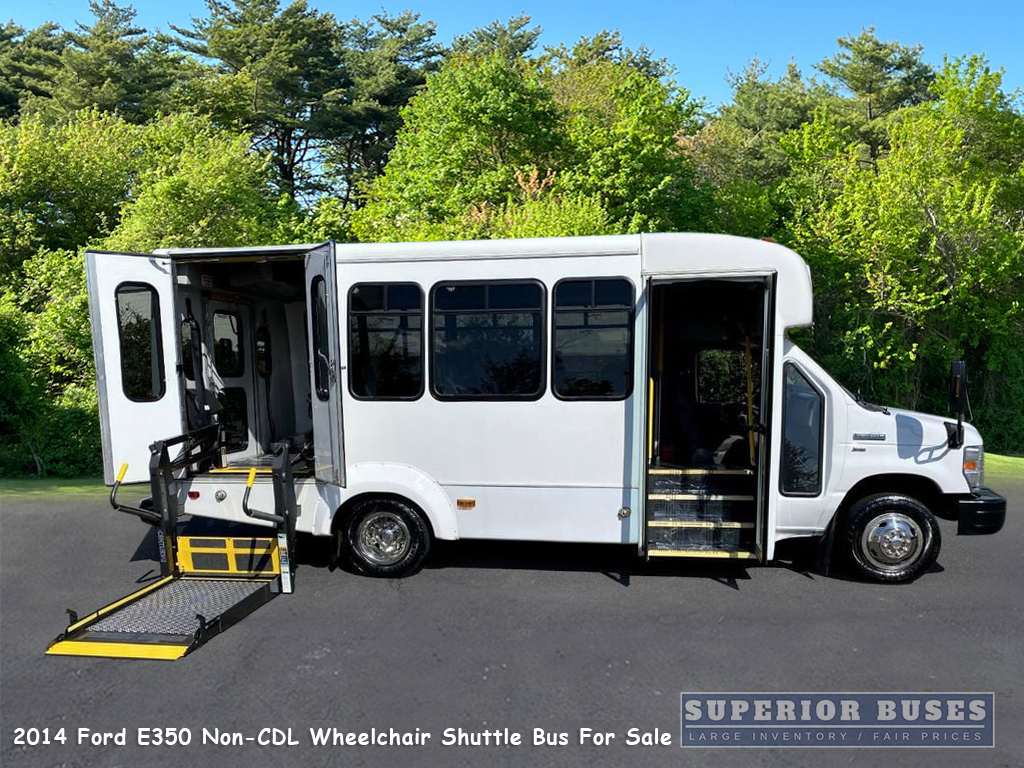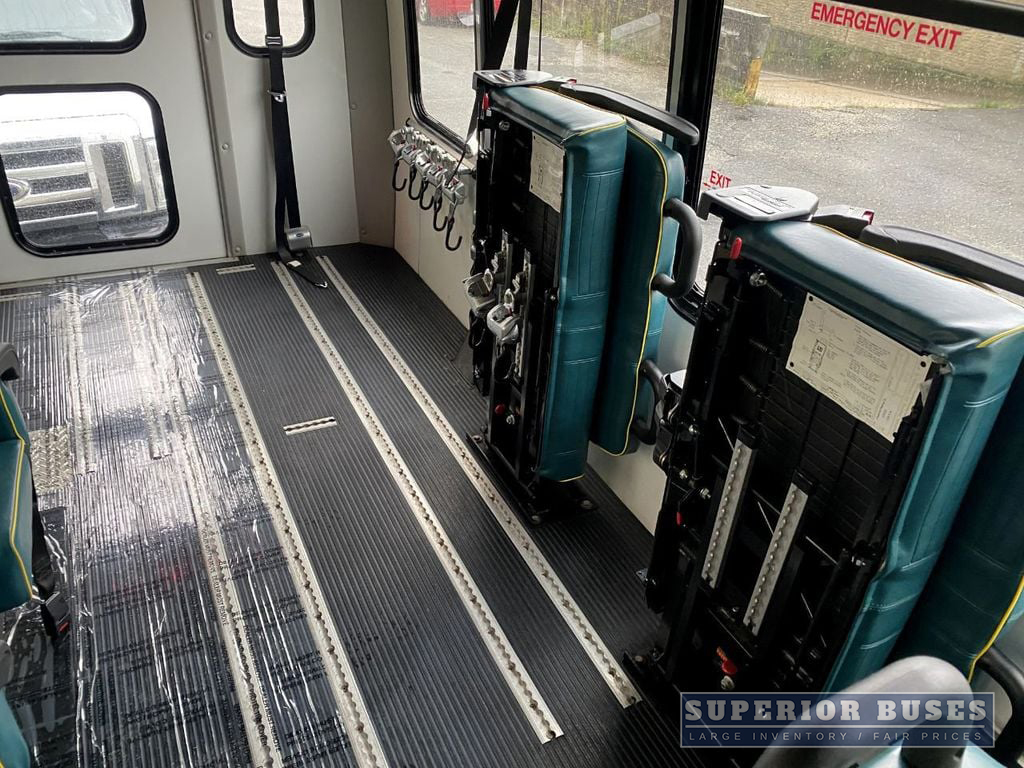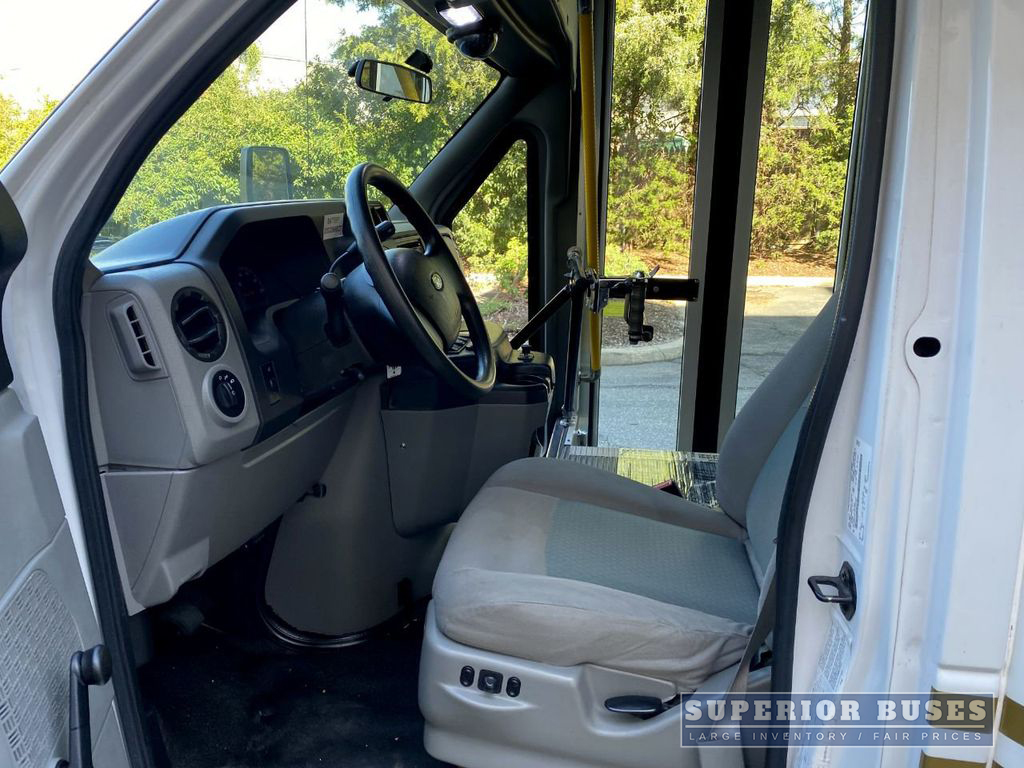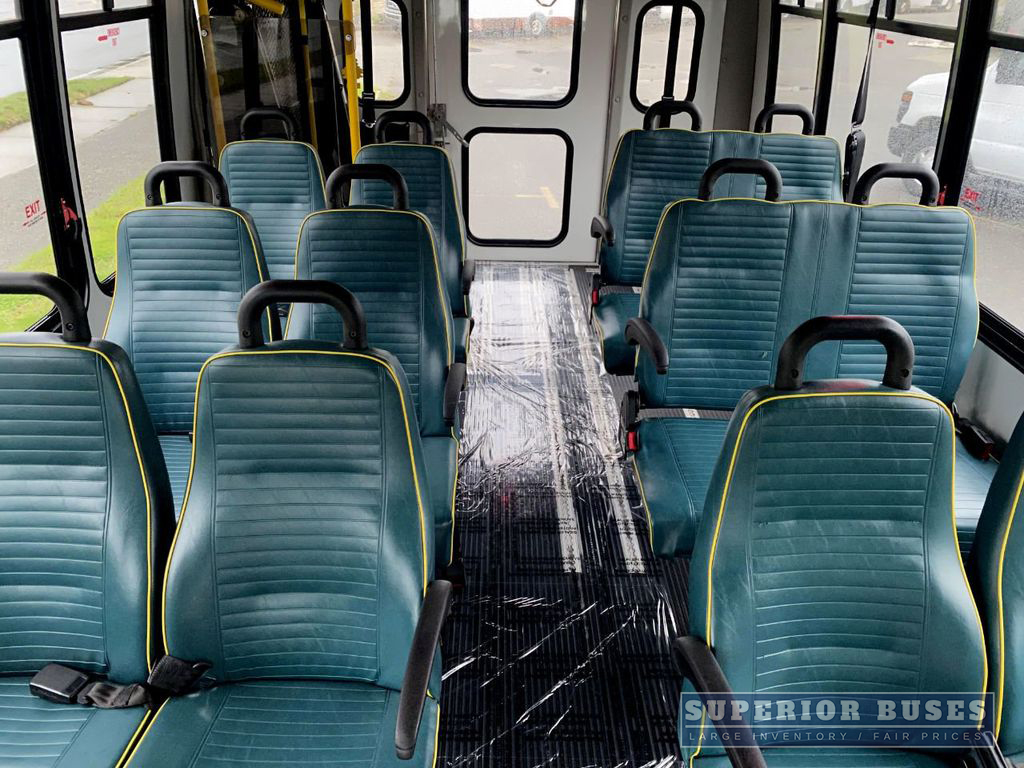
Buckle Up for Safety: Why American Shuttle Buses Rule the Road

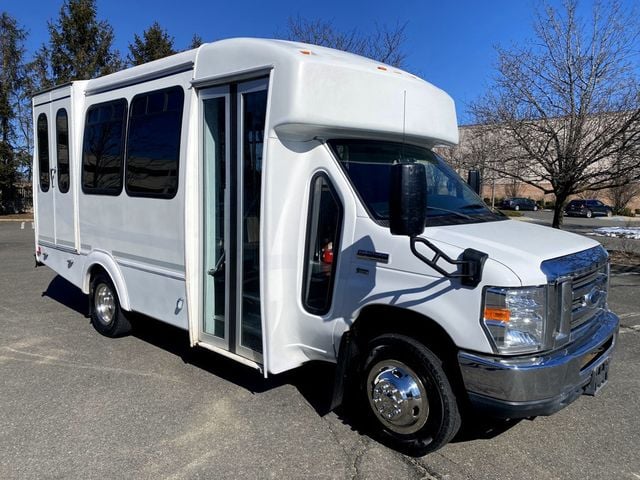
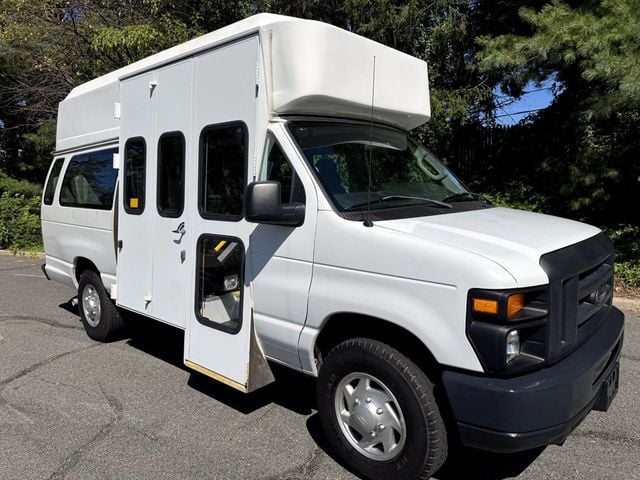
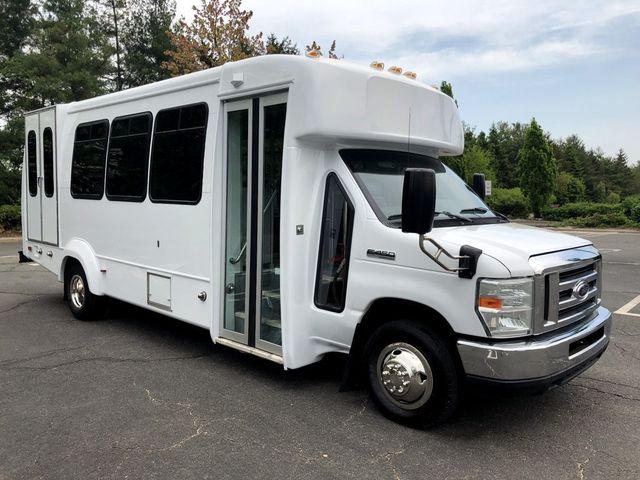
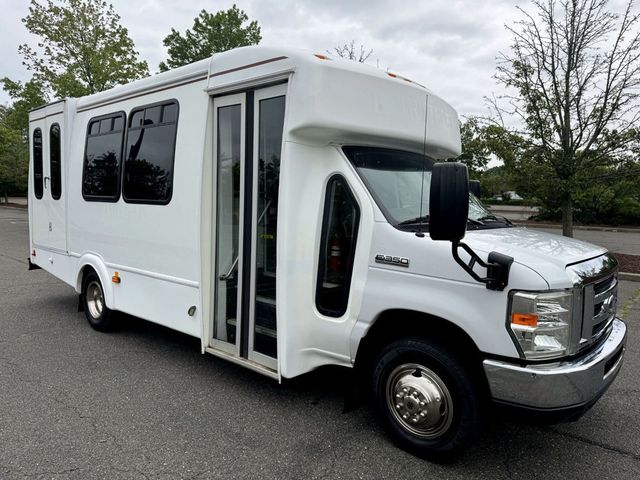
Think hopping on a shuttle bus means bouncing along a pothole-ridden road in a rust bucket held together by duct tape? Think again! In the United States, stepping onto a shuttle bus means entering a cocoon of safety and reliability, a far cry from the experiences in many other countries. This isn’t just happenstance – it’s the result of a robust system of regulations, enforcement, and innovation spearheaded by the Department of Transportation (DOT), states, and dedicated manufacturers.

Building a Fortress on Wheels:

The bedrock of American shuttle bus safety lies in the stringent guidelines set by the DOT’s Federal Motor Vehicle Safety Standards (FMVSS). These standards cover everything from seat belt design and emergency exits to fire suppression systems and crashworthiness. Imagine a bus as a medieval castle, with each FMVSS acting as a sturdy stone, meticulously positioned to withstand any potential siege.

One shining example of these regulations in action is the 2007 side impact protection rule. Following a series of tragic accidents, the DOT mandated reinforced B-pillars and energy-absorbing side walls on new buses. The results were undeniable: a 70% reduction in fatalities from side-impact crashes! This is just one instance of how proactive regulations save lives.

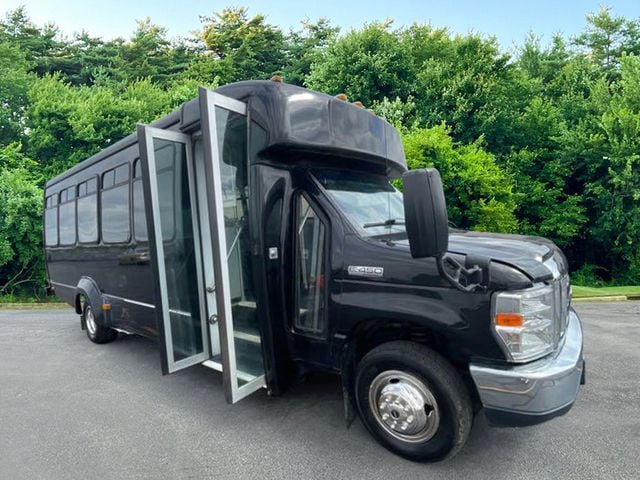
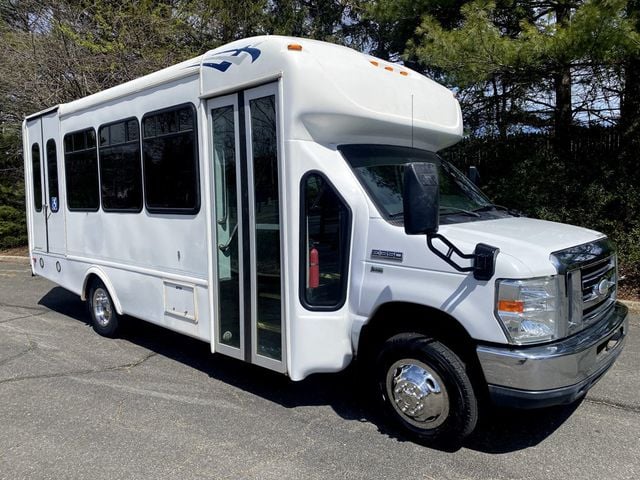
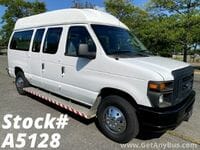
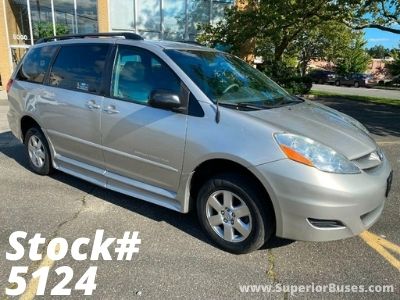
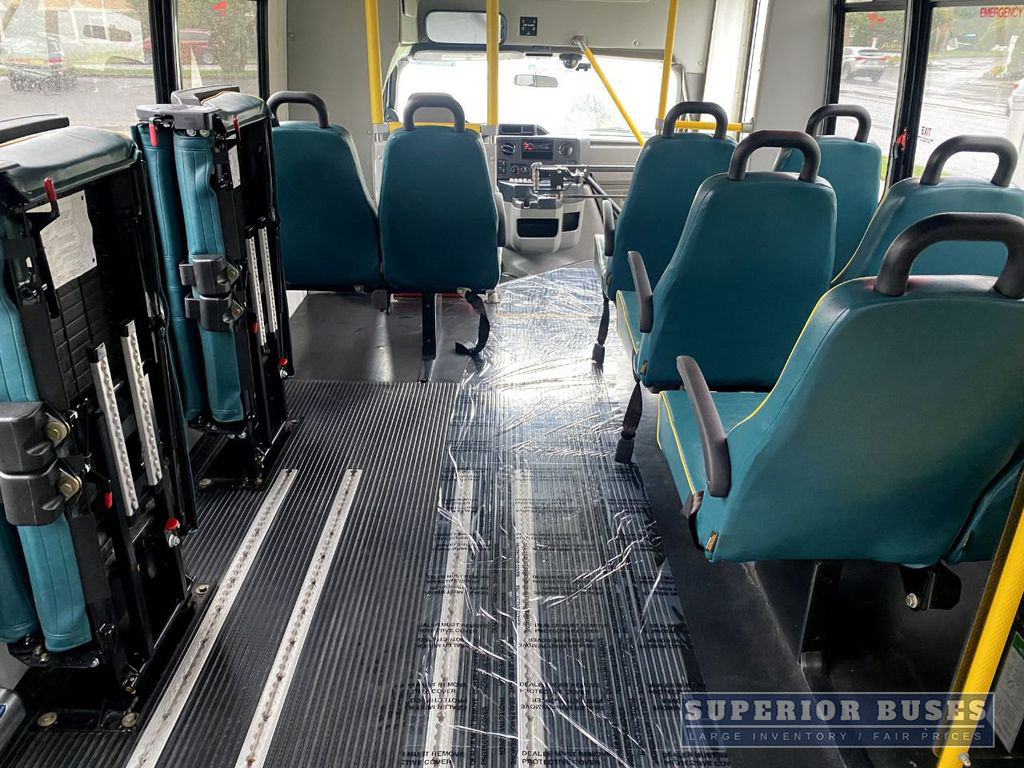
shuttle bus Safety
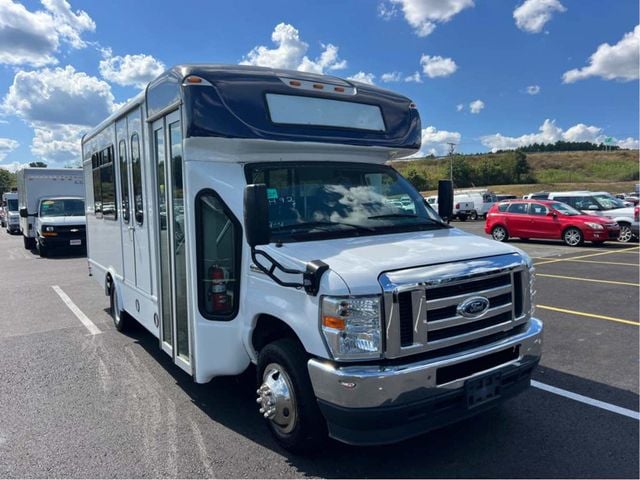
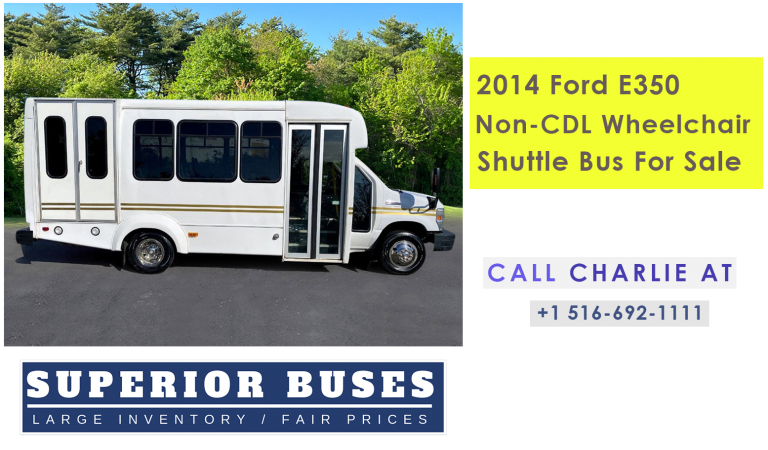
shuttle bus Safety

States Stepping Up:

The federal government isn’t the only knight in shining armor. Individual states play a crucial role in ensuring passenger safety. Regular inspections, surprise audits, and stringent driver training programs add another layer of protection. Take California, for instance, with its rigorous annual bus inspections that delve into every nook and cranny, leaving no room for even the slightest safety compromise.

Manufacturers on the Front Lines:
American bus manufacturers are not just passive recipients of regulations; they’re active participants in the quest for ever-increasing safety. Companies like Blue Bird and IC Bus invest heavily in research and development, constantly pushing the boundaries of technology to make buses even more secure. In the future new features like lane departure warning systems, automatic emergency braking, and 360-degree cameras are becoming increasingly common, transforming buses into rolling fortresses of awareness.

Litigation Paving the Way:
It’s not all sunshine and rainbows, though. Sometimes, it takes legal muscle to truly enforce safety standards. Lawsuits against negligent manufacturers and operators have played a crucial role in holding them accountable and driving safety improvements. Remember the 2016 lawsuit against a bus manufacturer following a fatal crash? The resulting $165 million settlement sent a clear message: safety is paramount, and negligence comes at a steep price.
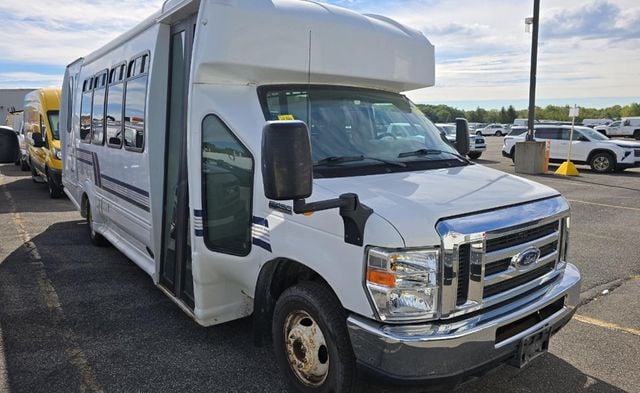
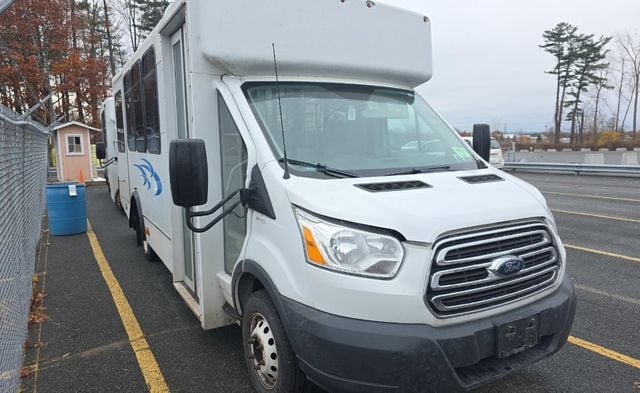
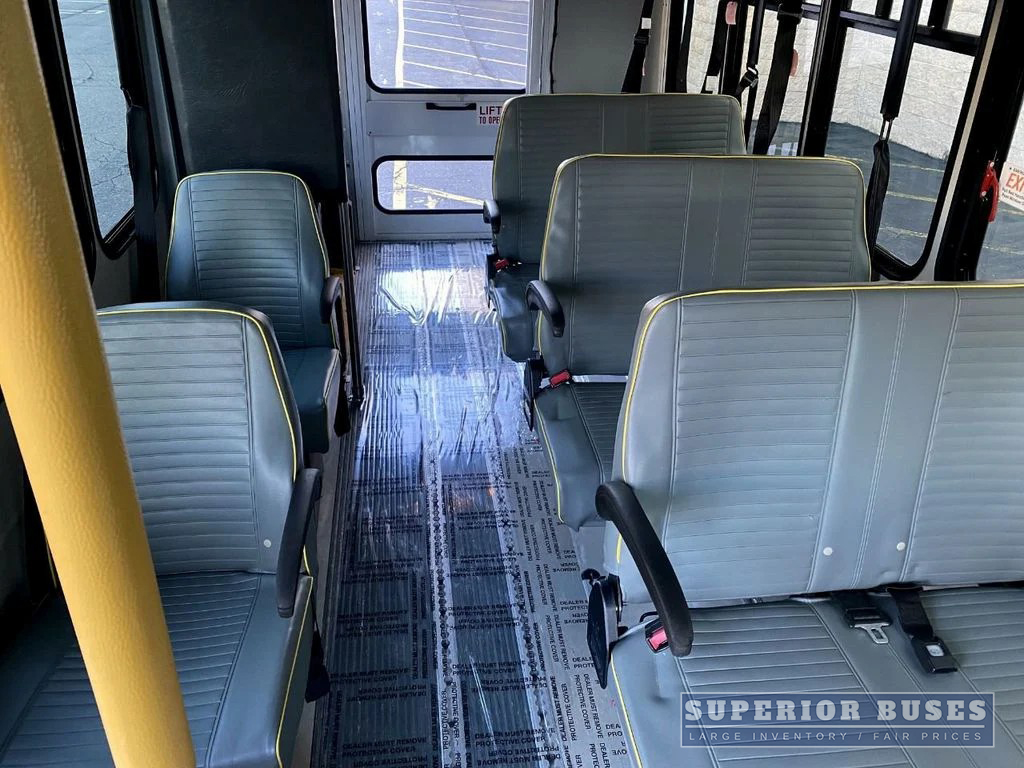
shuttle bus Safety
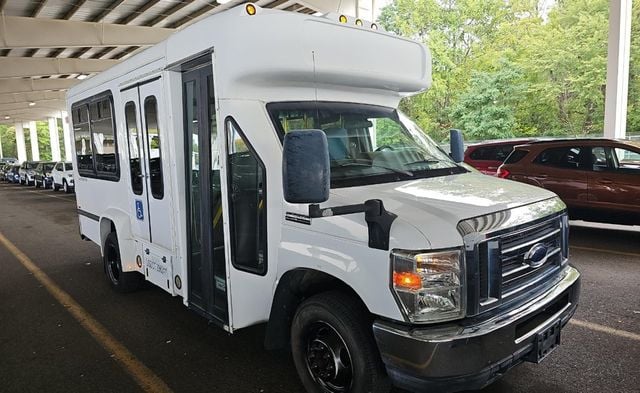
shuttle bus Safety
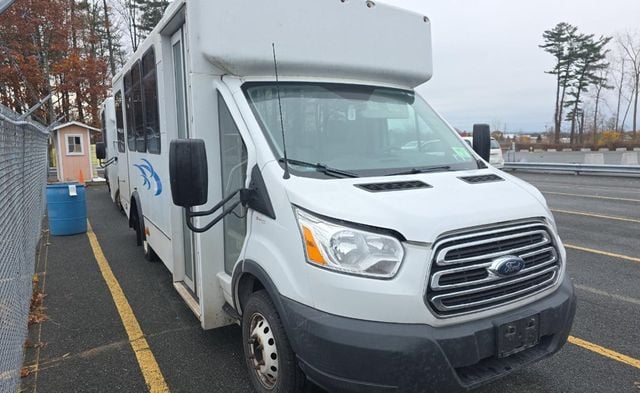
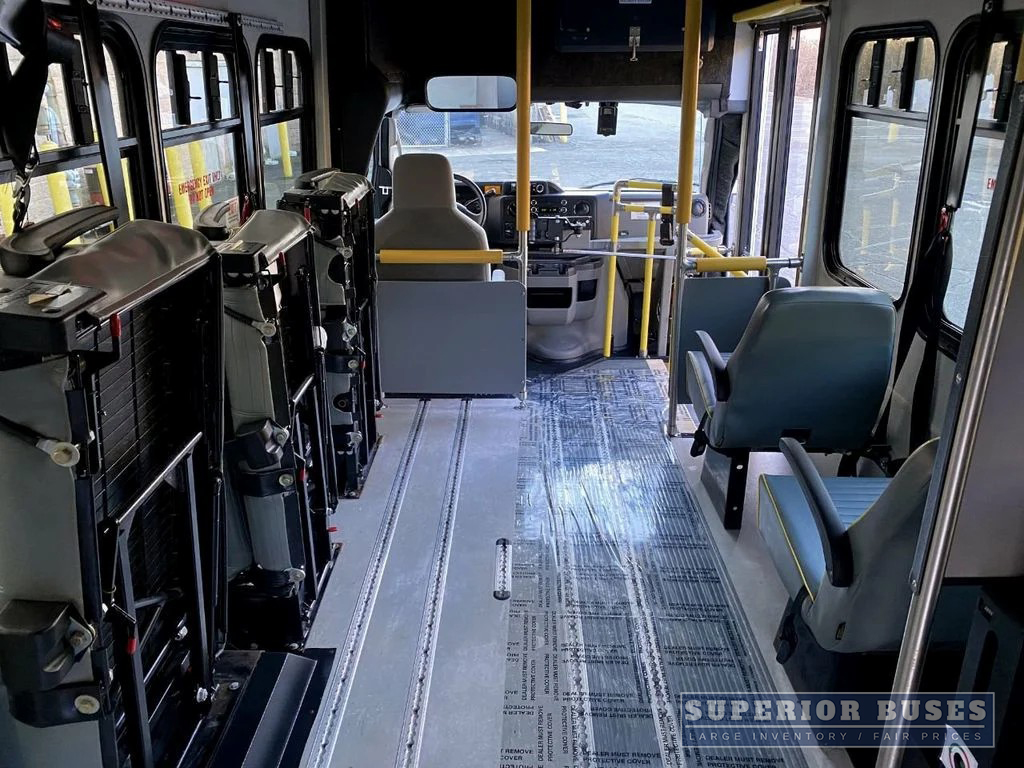
shuttle bus Safety
shuttle bus Safety

The Road Ahead:
The journey towards perfect shuttle bus safety is ongoing although it will come at a price. New technologies like autonomous driving hold immense promise for further reducing accidents. But one thing remains constant: the unwavering commitment of the DOT, states, and manufacturers to prioritize passenger safety above all else. So, the next time you hop on a shuttle bus in the US, take a moment to appreciate the invisible armor you’re wearing – a testament to the relentless pursuit of safety that makes American shuttle buses the envy of the world.

Remember, buckling up isn’t just a courtesy; it’s a testament to the robust system that keeps you safe on the road. So, sit back, relax, and enjoy the ride, knowing you’re in one of the safest shuttle buses on the planet.

Visit our website at www.SuperiorBuses.com and call the owner Charles Kaufman at (516)-692-1111 today!  
                                                       Follow Us On Our Social Media:  Facebook Twitter Instagram YouTube    

New vs. Used Shuttle Buses: Weighing the Cost Savings

When the time comes to purchase a shuttle bus for your company, school, or organization, one of the most important decisions you’ll face is whether to buy new or used. Both options have their own advantages and disadvantages, but for many buyers, the cost savings of a used shuttle bus are simply too good to ignore.

The Upfront Savings

The most obvious advantage of buying a used shuttle bus is the significant upfront savings. New shuttle buses can cost tens of thousands, or even hundreds of thousands of dollars more than their used counterparts. This immediate price difference can free up valuable capital for other expenses or can simply make the purchase of a shuttle bus more affordable for organizations with limited budgets.

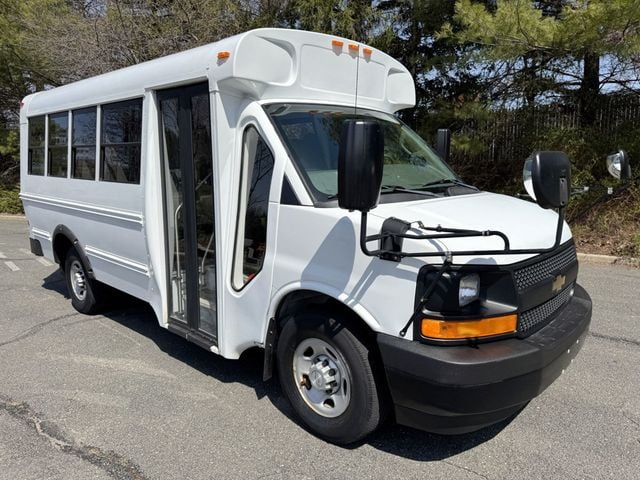
Used Shuttle Bus
Used Shuttle Bus

Depreciation and Long-Term Savings

The financial benefits of buying a used shuttle bus extend beyond the initial purchase price. New vehicles experience a rapid depreciation rate, meaning they lose a significant portion of their value once they leave the dealership. Used shuttle buses, on the other hand, have already undergone the bulk of their depreciation, so their value depreciates at a much slower rate. This means that you’ll enjoy long-term savings on the overall cost of ownership.

Reliability and Affordability

Many people mistakenly believe that used shuttle buses are less reliable than new ones. While it’s true that a used bus may have higher mileage and require more frequent maintenance, modern shuttle buses are incredibly durable and can easily last for hundreds of thousands of miles with proper care. Most well-maintained used shuttle buses can provide years of reliable service without any major issues.

Applications for Used Shuttle Buses

Used shuttle buses are a versatile and cost-effective solution for a wide range of applications. They are commonly used by:

* Churches: For transporting students and adults to and from church and religious school, field trips and retreats, and extracurricular activities
* Companies: For shuttling employees between office locations, company events, or airport transportation
* Hotels and Resorts: For providing convenient transportation for guests to and from the airport, local attractions, or off-site activities
* Tour Operators: For transporting tour groups on city tours, sightseeing excursions, or day trips

Used Shuttle Bus
Used Shuttle Bus
Used Shuttle Bus
Used Shuttle Bus

Choosing the Right Used Shuttle Bus
When choosing a used shuttle bus, it’s important to do your research and find a reputable dealer. A good dealer will have a wide selection of buses to choose from, as well as experienced staff who can help you find the right bus for your needs. They should also be able to provide you with a vehicle history report and answer any questions you have about the bus’s condition and maintenance history.

Cost Savings in Most Applications
In most applications, the cost savings of buying a used shuttle bus far outweigh the potential benefits of buying new ones. A well-maintained used shuttle bus can provide years of reliable service and save you thousands of dollars compared to a new one. If you’re on a tight budget or simply looking for the most cost-effective option, then a used shuttle bus is the way to go.

 Visit our website at www.SuperiorBuses.com and call the owner Charles Kaufman at (516)-692-1111 today!  

                                                       Follow Us On Our Social Media:  Facebook Twitter Instagram YouTube   

Fuel economy: The least important financial aspect of a shuttle bus purchase

Shuttle buses are a valuable investment for many businesses churches, and not-for-profit organizations, with so many factors to consider when making a purchase, it can be difficult to know where to start. One factor that is often emphasized is fuel economy, but in reality, it is the least important financial aspect of a shuttle bus purchase.

Depreciation, driver expense, insurance cost, and maintenance are the most substantial cost factors in operating a shuttle bus.

Depreciation is the loss of value of an asset over time. New shuttle buses depreciate rapidly, while used shuttle buses hardly depreciate at all so it is important to choose a bus that will hold its value well.

Driver expense is another major cost factor. Shuttle bus drivers must be paid a fair wage and benefits, and they must be properly trained and licensed.

Insurance cost is also a significant expense. Shuttle buses must be insured against liability, and comprehensive and collision damage is highly desirable.

Maintenance costs can also be high. Shuttle buses are fairly complex machines that require regular maintenance to keep them running safely and efficiently.

Fuel economy is important, but it is a relatively minor expense compared to the other cost factors listed above. In today’s economy, gasoline-powered buses have a lower initial cost, less expensive maintenance, and a lower price per gallon, easily offsetting the slightly higher miles per gallon of diesel-powered shuttle buses.

There is almost no difference in the fuel economy of used shuttle buses and new ones. CNG, EV and Hybrid shuttle buses are expensive to purchase and difficult to maintain and many of the builders have gone into bankruptcy making replacement parts and repair information inaccessible to bus owners making retrofitting used CNG, EV, and Hybrid shuttle buses costly and impractical.

Conclusion

When choosing a shuttle bus, it is important to consider all of the cost factors involved, including depreciation, driver expense, insurance cost, maintenance, and fuel economy. Fuel economy is the least important financial aspect of a shuttle bus purchase, especially in today’s economy where gasoline-powered buses have a lower initial cost, less expensive maintenance, and a lower price per gallon.

Additional tips for choosing a shuttle bus

* Consider the specific needs of your organization. What size bus do you need? How many passengers will it be carrying? What type of terrain will it be operating on?

* Research different bus manufacturers and models to find one that is reliable and meets your specific needs.

* Find a trustworthy and reliable dealership before making a purchase.

* Be sure to factor in the cost of financing, insurance, and maintenance when making your decision.

 Visit our website at www.SuperiorBuses.com and call the owner Charles Kaufman at (516)-692-1111 today!  

                                                       Follow Us On Our Social Media:  Facebook Twitter Instagram YouTube   

Converting a cutaway chassis into shuttle buses and high-top wheelchair vans

Cutaway chassis are a type of commercial vehicle chassis that is manufactured without a body and most often are manufactured by Ford and Chevrolet. This makes them ideal for conversion into a variety of different types of vehicles, including shuttle buses and high-top wheelchair vans.

wheelchair shuttle bus

Here is a general overview of the process of converting a cutaway chassis into a shuttle bus or high-top wheelchair van:


1. Choose the right cutaway chassis. There are a variety of different cutaway chassis sizes and models available from different manufacturers, so it is important to choose one that is the right size and configuration for your needs. Consider the number of passengers you need to accommodate, the type of passengers you will be carrying, and the roads you will be driving on.

2. Find a reputable converter with the help of a new bus or van dealer. Once you have chosen a cutaway chassis, you will need to find a reputable builder to do the conversion. Many different companies specialize in converting cutaway chassis into shuttle buses and high-top wheelchair vans.

3. Design your vehicle. Once you have decided on a converter, you will need to work with the dealer to design your vehicle. This includes choosing the layout of the interior, the type of seating, and the features you want installed.

4. Order the vehicle. Once you have finalized the design of your vehicle, the dealer will place an order for the cutaway chassis from the body manufacturer. The manufacturer will then order and build the chassis to your specifications.

5. Convert the vehicle. Once the cutaway chassis has been delivered to the converter, they will begin the conversion process. This typically involves creating the structure of the body, and the interior of the body and installing the interior components, such as the seating, windows, and doors.

6. Factory inspection of the vehicle. Once the conversion is complete, the builder will inspect the vehicle to ensure it meets all required safety standards.

7. Delivery of the vehicle. Once the inspection is complete, the converter will deliver the vehicle to the dealer who in turn will make arrangements to deliver the completed vehicle to the customer.

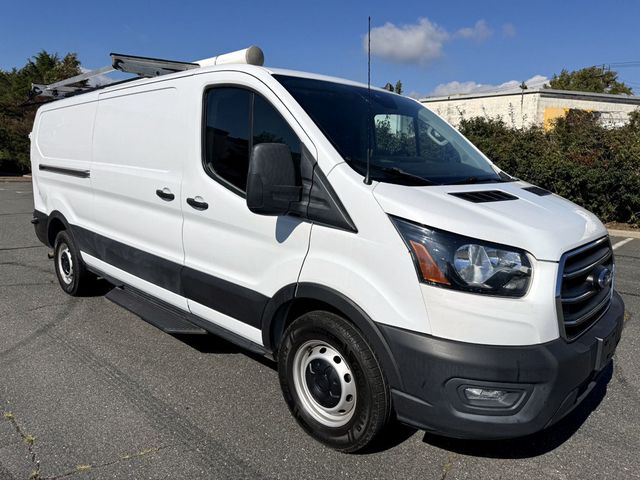
wheelchair van
wheelchair van

Ordering process

The ordering process for a converted cutaway chassis is similar to the ordering process for any other new vehicle. You will need to work with a dealer to place your order. The dealer will then submit your order to the body builder who in turn will order the chassis from the manufacturer.

The manufacturer will then build the cutaway chassis to your specifications. This includes installing any optional features you have ordered, such as a wheelchair lift or a special seating configuration.

The conversion process typically takes several weeks to months to complete. Once the conversion is complete, the converter will deliver the vehicle to the dealer. You can then pick up your new vehicle from the dealer.

Variety of variations

Cutaway chassis can be converted into a nearly endless variety of different types of vehicles. The type of vehicle converted from a cutaway chassis depends on the customer’s needs.

Some common types of vehicles that are converted from cutaway chassis include:


* Shuttle buses

* High-top wheelchair vans

* Passenger vans

* Limo buses

* Cargo vans

* Box vans

* Ambulances

* Fire trucks

* RV’s

Allocations to the factories from the bailment pools


The manufacturers of cutaway chassis allocate a certain number of chassis to each converter monthly. This allocation is based on the converter’s sales history and their ability to convert the chassis into vehicles.

The bailment pool is a system that allows converters to borrow chassis from the manufacturer to meet demand. This is especially helpful during periods of high demand, such as the summer months.


wheelchair van

Time required from initial purchase from dealers to the delivery to customers

The time required from the initial purchase from dealers to the delivery to customers varies depending on the type of vehicle being converted and the availability of the chassis.

Generally speaking, it can take anywhere from 4 weeks to almost a year to receive a converted cutaway chassis.

Conclusion

Converting a cutaway chassis into a shuttle bus or high-top wheelchair van is a complex process, but it is a great way to get a vehicle that is customized to your specific needs.

If you are considering purchasing a shuttle bus or van on a cutaway chassis, be sure to do your research and choose a reputable dealer and converter.

Visit our website at www.SuperiorBuses.com and call the owner Charles Kaufman at (516)-692-1111 today!  

                                                       Follow Us On Our Social Media:  Facebook Twitter Instagram YouTube

The Case for Buying Used Reconditioned Shuttle Buses, Commercial Buses, and Short Buses

If you’re in need of a new shuttle buscommercial bus, or short bus, you may be considering buying a used reconditioned one rather than ordering a new one. This is a wise decision, as there are many benefits to buying used.

Cost

Used buses are significantly less expensive than new buses. In fact, you can save up to 50% or more on the purchase price of a used bus. This is a huge savings, especially if you’re on a budget.

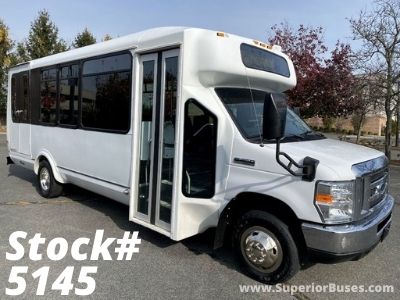
Used Reconditioned Shuttle Buses

Availability

New buses can take up to 12 months or more to be delivered, due to high demand and supply chain disruptions. However, used buses are typically available immediately. This is a major advantage if you need a bus right away.

Reliability

Used shuttle buses are almost as reliable as new buses, especially if they’ve been reconditioned by a reputable dealer. Reconditioned buses have been thoroughly inspected and repaired, so you can be sure that they’re in good condition.

Operating costs

Used buses are only slightly more expensive to operate than new buses. This is because they require somewhat more maintenance. However, the savings on the purchase price far outweigh the additional operating costs.

Customization

Used buses can be customized to meet your specific needs. For example, you can add or remove seats, install power inverters, and add new features such as Wi-Fi and entertainment systems. This is not possible with new buses, which are typically custom-ordered.

Environmental impact

Buying a used bus is a more environmentally friendly option than buying a new bus. This is because used buses already exist, so there is no need to manufacture a new one. This helps to reduce greenhouse gas emissions and conserve resources.

Overall, there are many benefits to buying a used reconditioned shuttle bus, commercial bus, or short bus. Used buses are less expensive, more readily available, and almost as reliable as new buses. They also have lower operating costs and can be customized to meet your specific needs. Additionally, buying a used bus is a more environmentally friendly option.


Here are some additional things to consider when buying a used bus:


* Inspect the bus carefully before you buy it. Look for any signs of damage or wear and tear.

* Make sure the bus has a clean title history. Get a copy of the vehicle’s reconditioning records from the seller if possible.

* Have the bus inspected by a qualified mechanic before you buy it. This will help you to identify any potential problems and ask the seller to address them.

* Purchase the bus from a reputable dealer. A reputable dealer will stand behind the bus and will be able to direct you with support and parts sources after the sale.

If you’re looking for a new shuttle bus, commercial bus, or short bus, I encourage you to consider buying a used reconditioned model. Used buses offer many advantages over new buses, including lower cost, greater availability, and the ability to be customized to meet your specific needs.

 Visit our website at www.SuperiorBuses.com and call the owner Charles Kaufman at (516)-692-1111 today!  
                                                       Follow Us On Our Social Media:  Facebook Twitter Instagram YouTube